RIXIN Industries

Expertise Across Critical Industries

From high-tolerance tooling to production-grade quality systems, RIXIN helps engineering teams move from design to dependable scale manufacturing.

Accelerate Your Program with Rigorous Quality Vetting

We don’t just process parts; we validate them. Our internal quality control system ensures that every dimension on your print perfectly aligns with the physical component.

Certified quality system and supplier network compliance overview

Certified Manufacturing Systems

RIXIN operates under a fully standardized, data-driven management system to maintain total stability across high-cycle multi-cavity tools.

  • ISO 9001 Compliant Quality System
  • Traceable Production Ledgers
  • Standardized Night-Shift Technical Vetting
Comprehensive quality documentation including reports and certificates

Comprehensive Quality Documentation

We provide a full suite of validation reports with every shipment, ensuring complete traceability and easy engineering compliance.

  • CMM Full Dimensional Inspection Report
  • First Article Inspection (FAI)
  • Material Test Reports & Certificates
  • Tooling Lifecycle & Maintenance Logs
High-standard quality protocols for precision manufacturing programs

Uncompromising Quality Standards

Our climate-controlled quality lab uses calibrated metrology equipment to perform cross-checks on wear-critical features and micro-tolerances.

  • Dimensional checks with calibrated metrology
  • Strict Intellectual Property (IP) Protection
  • Advanced DFM (Design for Manufacturability) Feedback

Materials, Core Machining & Industrial Applications

Explore high-performance material selections and precision component machining tailored to your industry standards.

Applications of Mold Parts

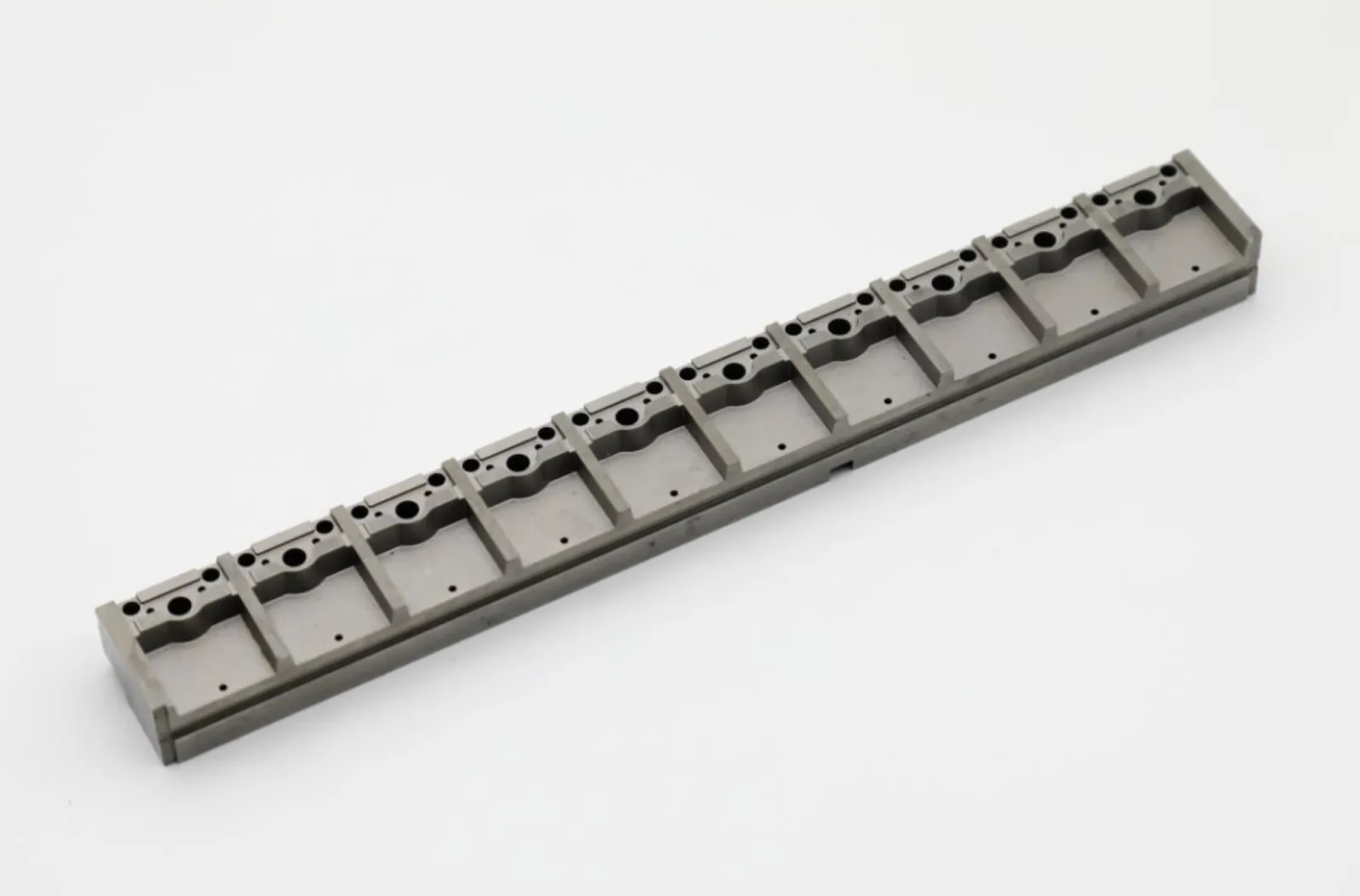
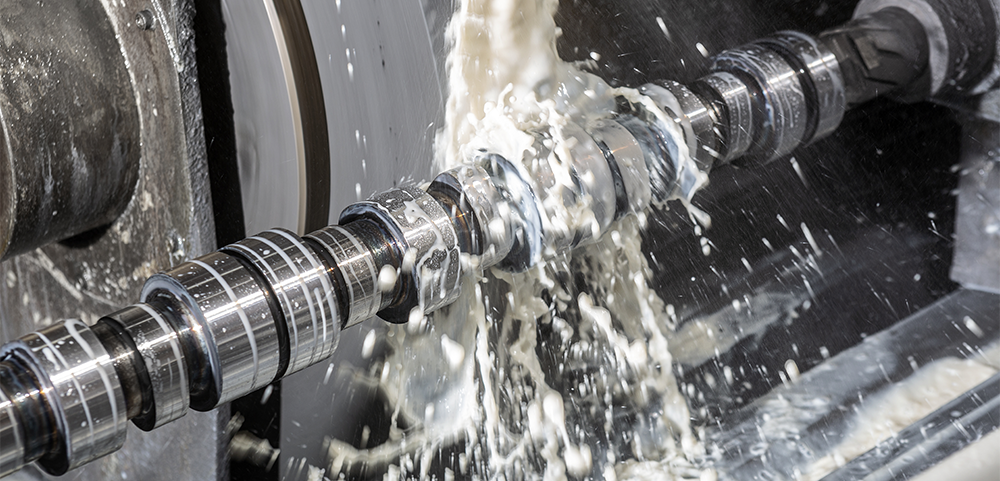
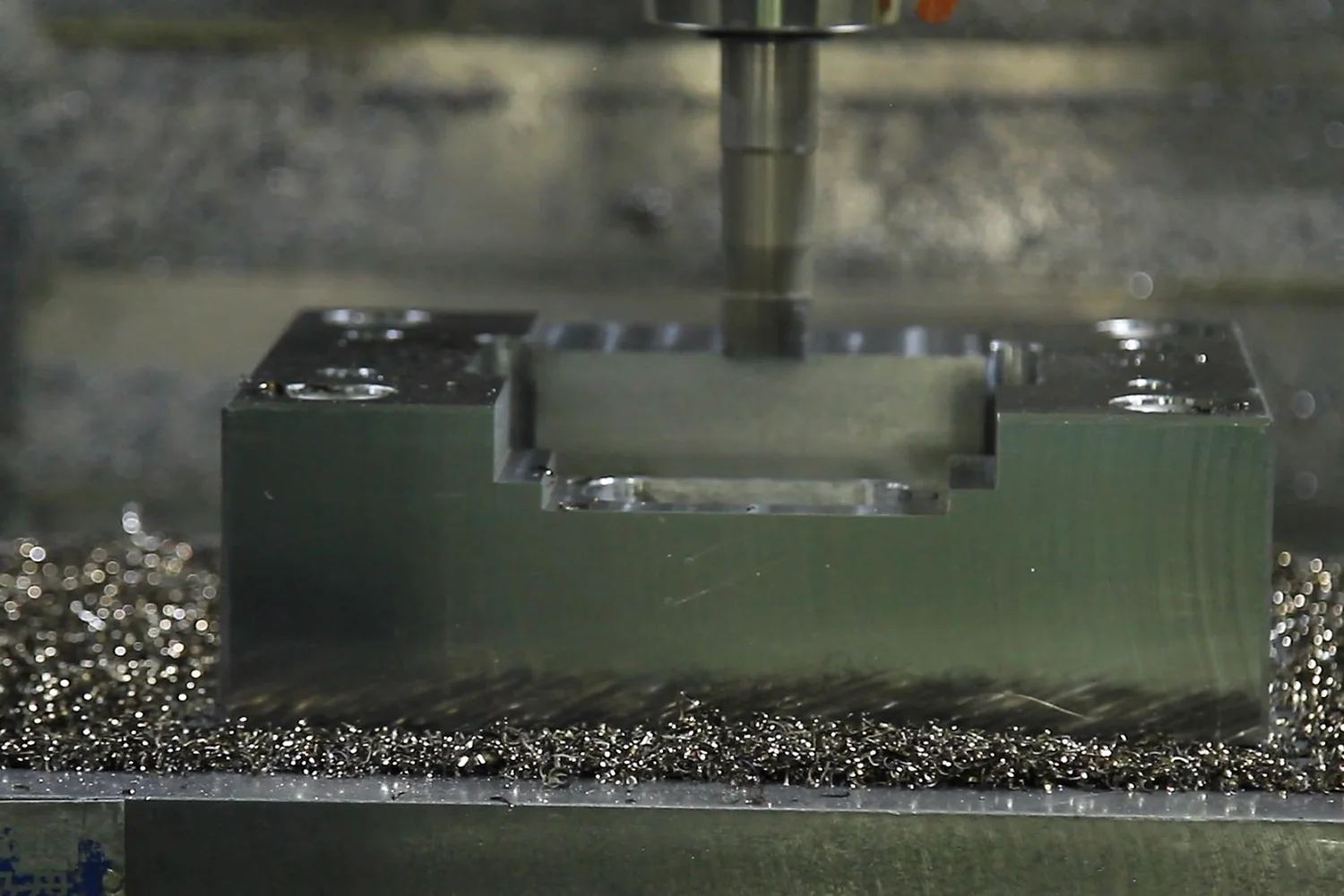
For mold components, dimensional stability and wear resistance are prioritized. We combine CNC, EDM, and grinding routes to maintain critical fit features across inserts, cores, and cavity details.

Application category

Precision Mold Parts

High-precision tooling components engineered for stable fit, controlled wear, and repeatable cavity quality across demanding production cycles.

  • Wear control
  • Repeatable fits
  • High-cycle durability
Tool architecture
  • Mold bases, guide structures, and precision plates
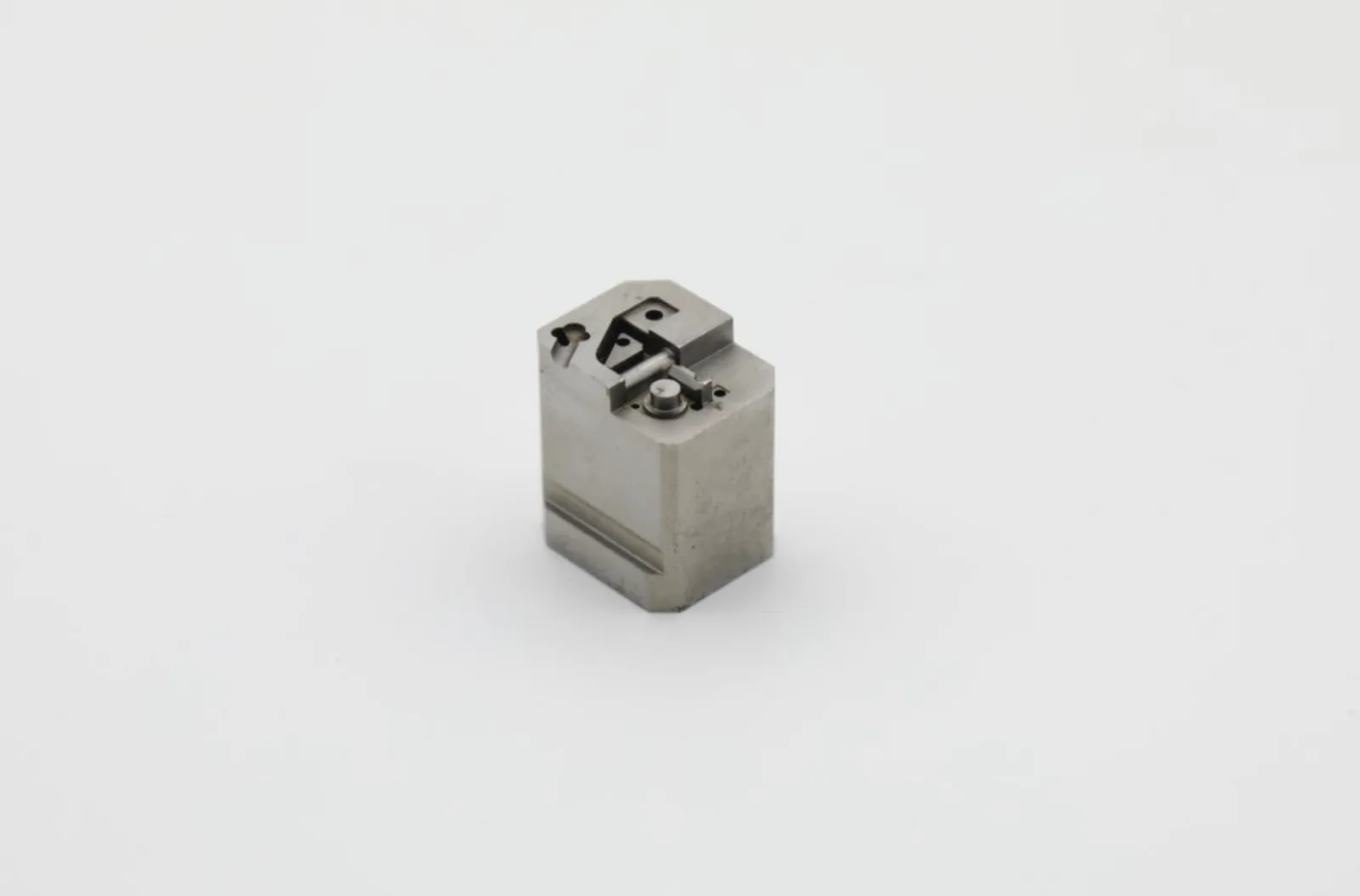
  • Cores, cavities, and insert systems for high-cycle tools
Motion & ejection
  • Slider and lifter components with wear-critical interfaces
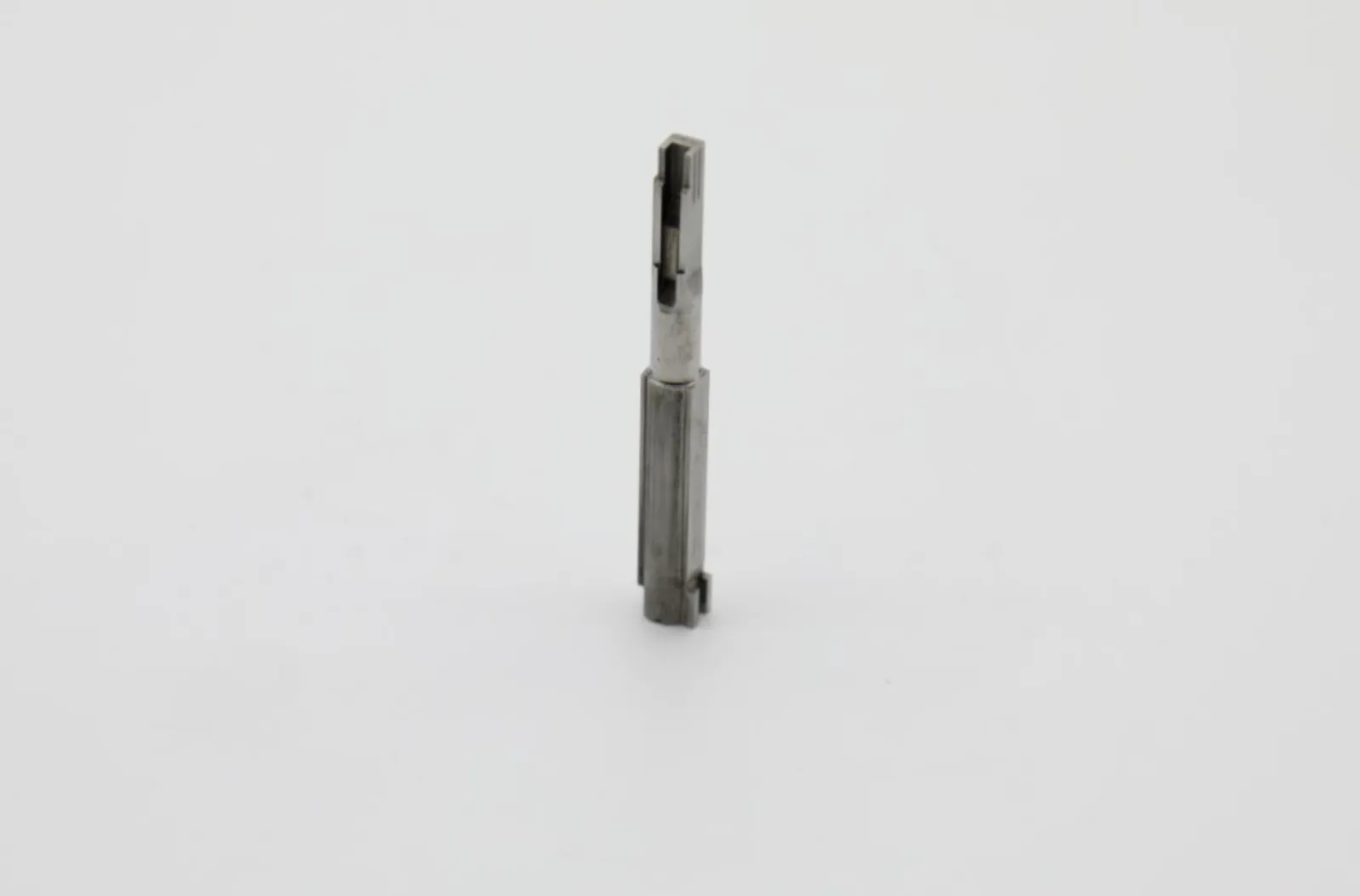
  • Ejector, sleeve, and alignment component sets
Critical details
  • EDM-intensive shut-off and contour tooling details
  • Plastic injection and die-casting mold support parts
Materials & core machining for mold parts
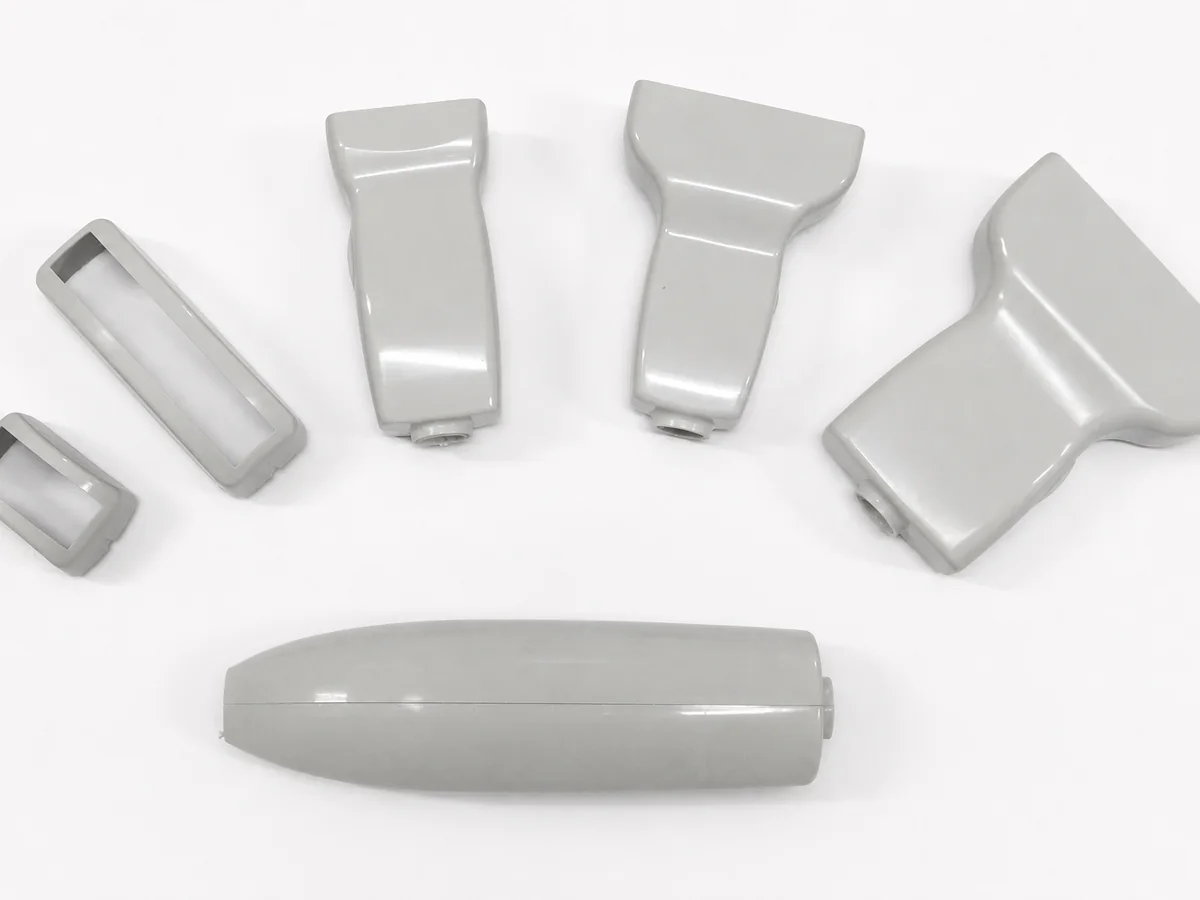
Common Materials for Mold Parts

Select from industrial-grade materials tuned for wear resistance, dimensional retention, and tooling stability.
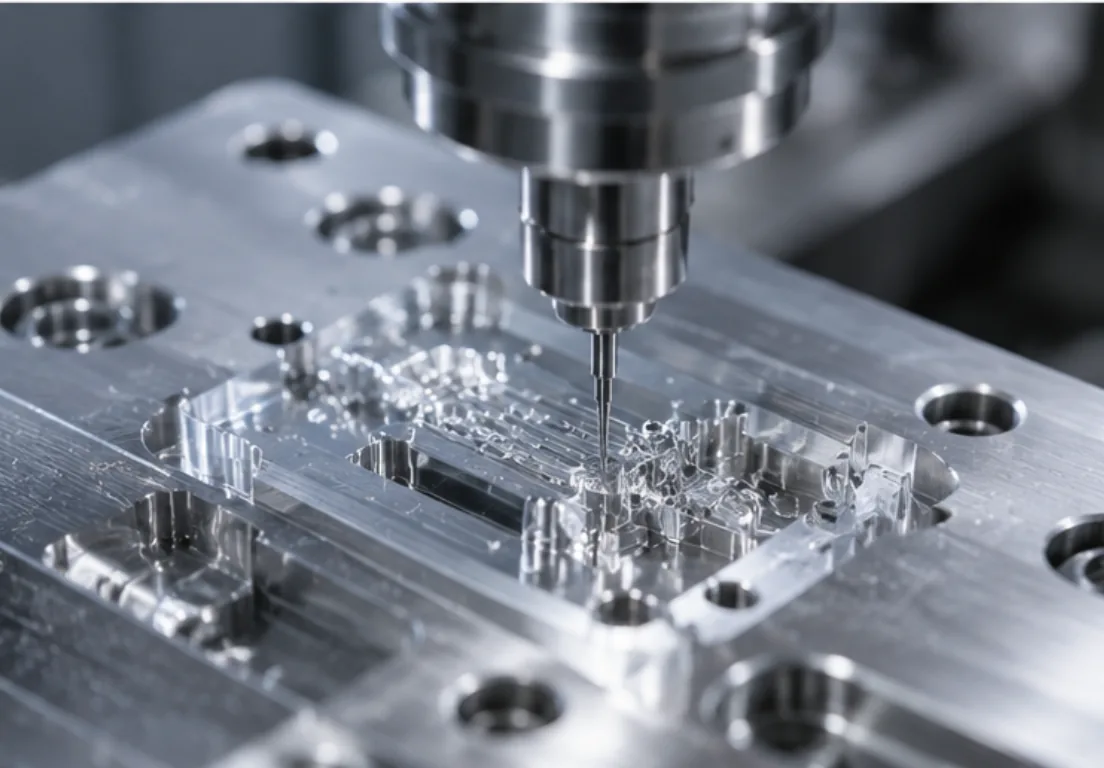
  • Tool steels: P20, H13 / 1.2344, SKD61
  • Aluminum alloys: Al 6061, Al 7075
  • Engineering polymers: PEEK, PA12, Modified Nylon (PA66+GF)
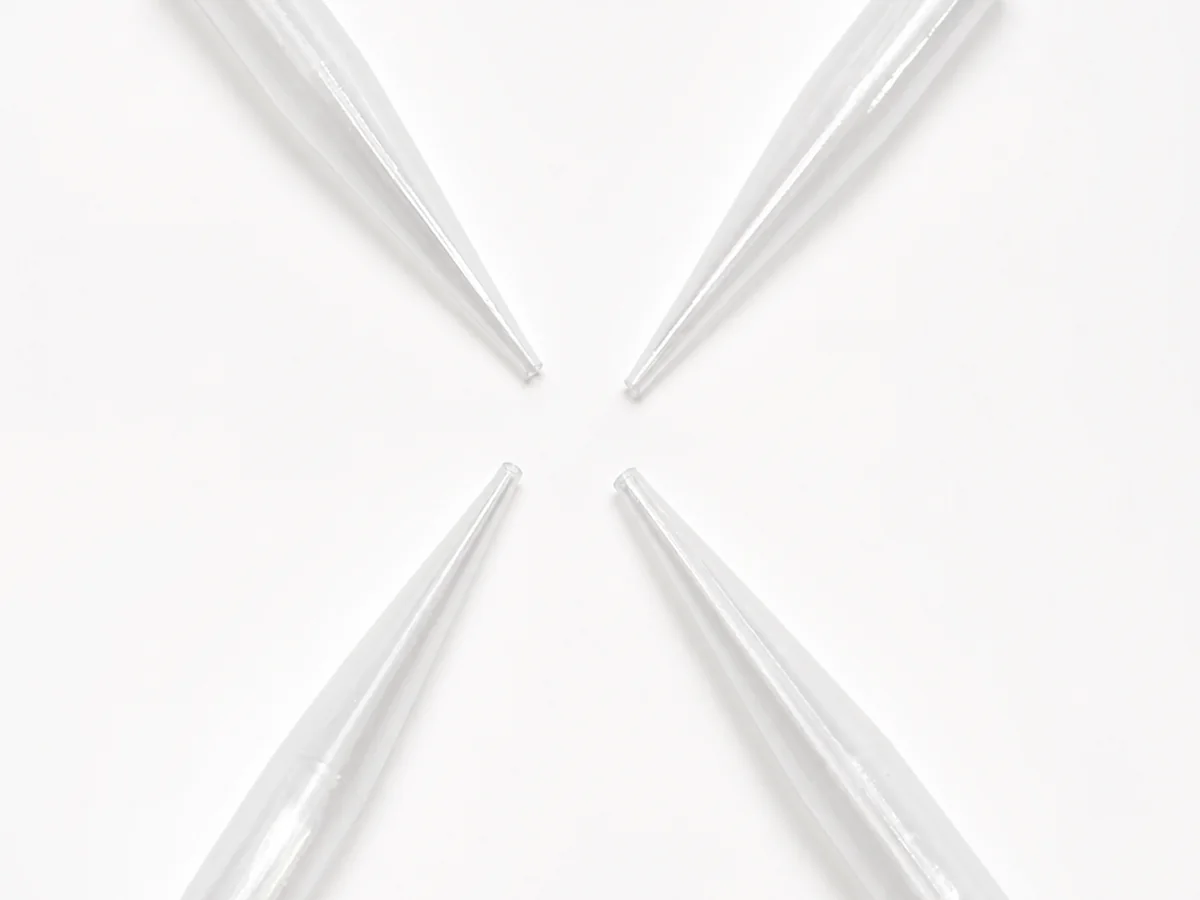
Core Machining & Micro-Tolerances

Backed by in-house precision equipment and disciplined process routing, we deliver micron-level dimensional tolerance control for wear-critical core components.

  • Precision Grinding for seamless fit on high-precision datum and sealing faces
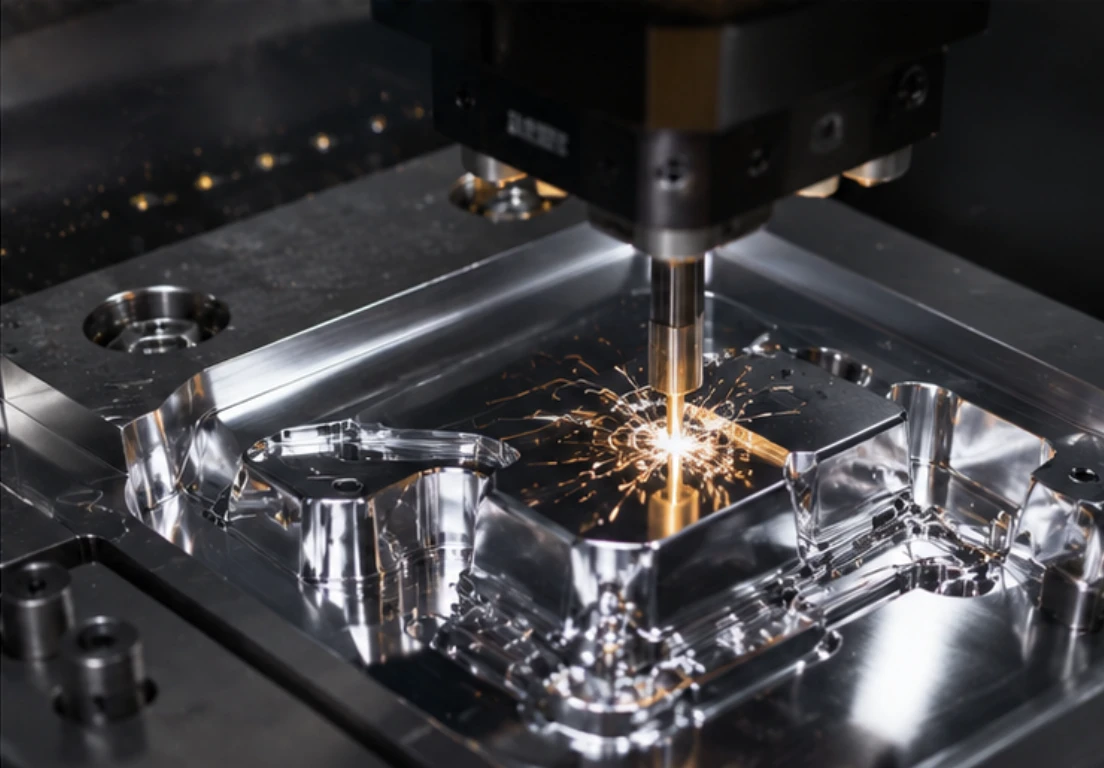
  • Wire EDM Skim Pass ensuring high consistency for complex profiles and cavity structures
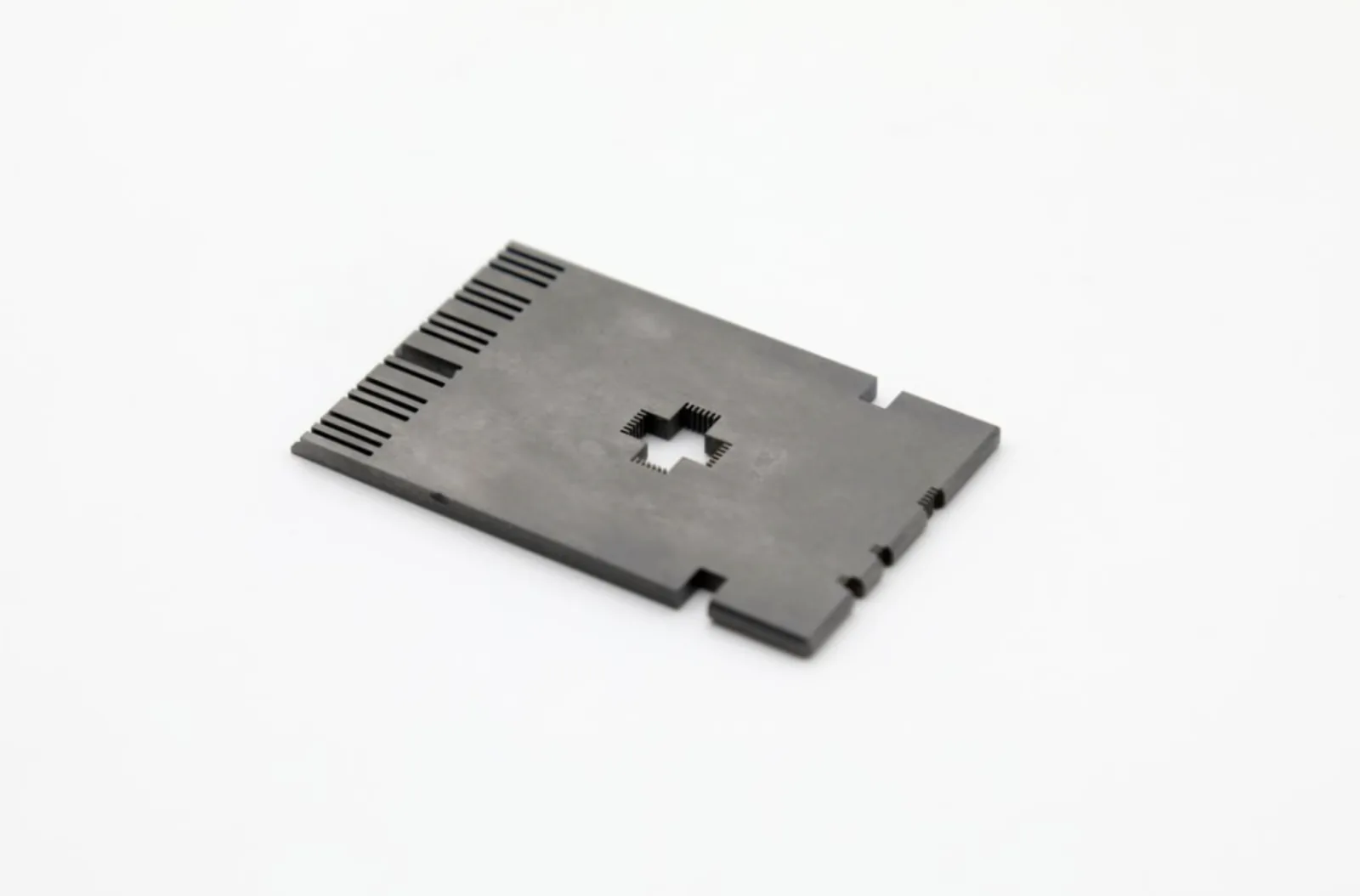
  • Micro-Tolerance EDM for dead-angle-free corner clearing and deep-cavity precision holes

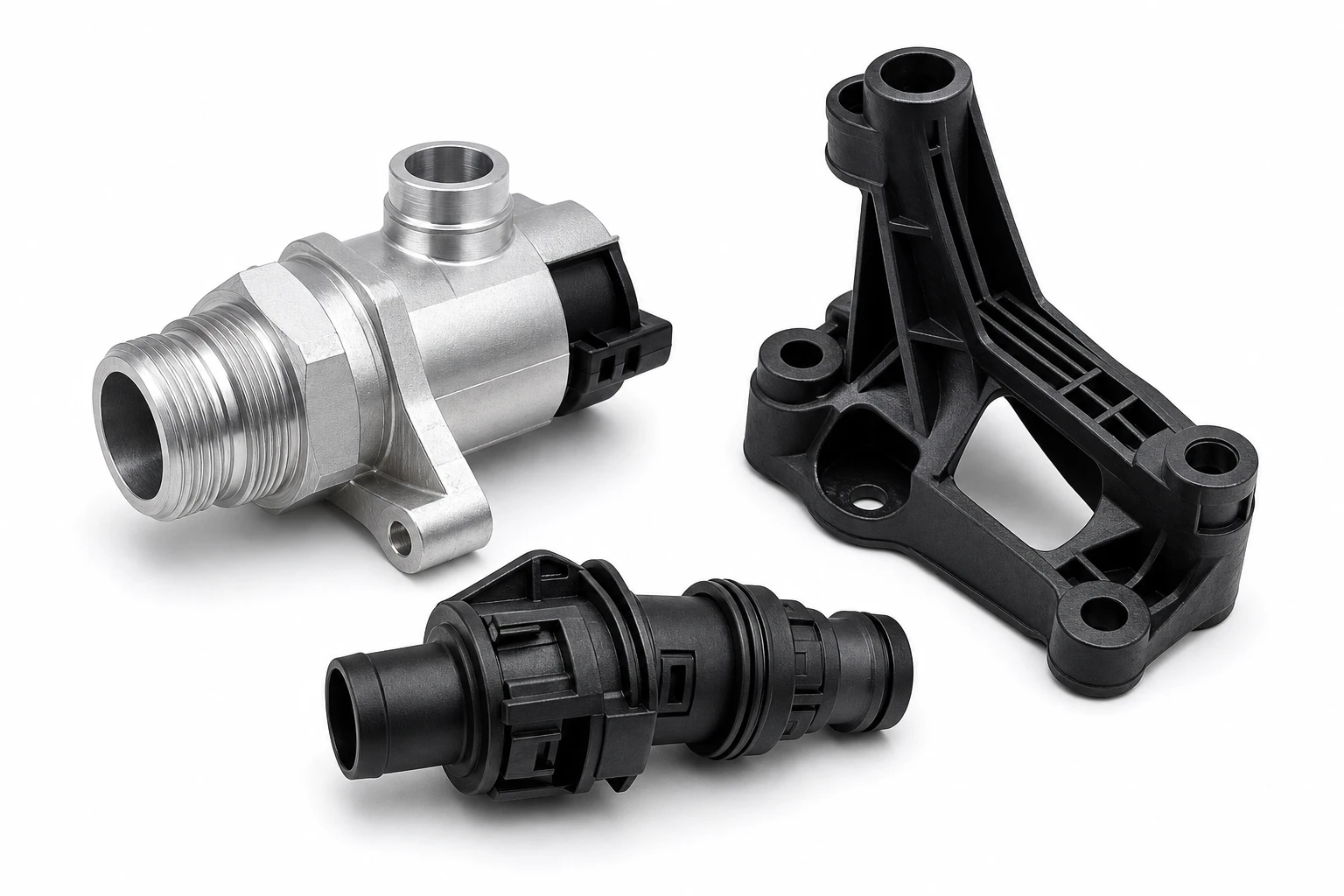
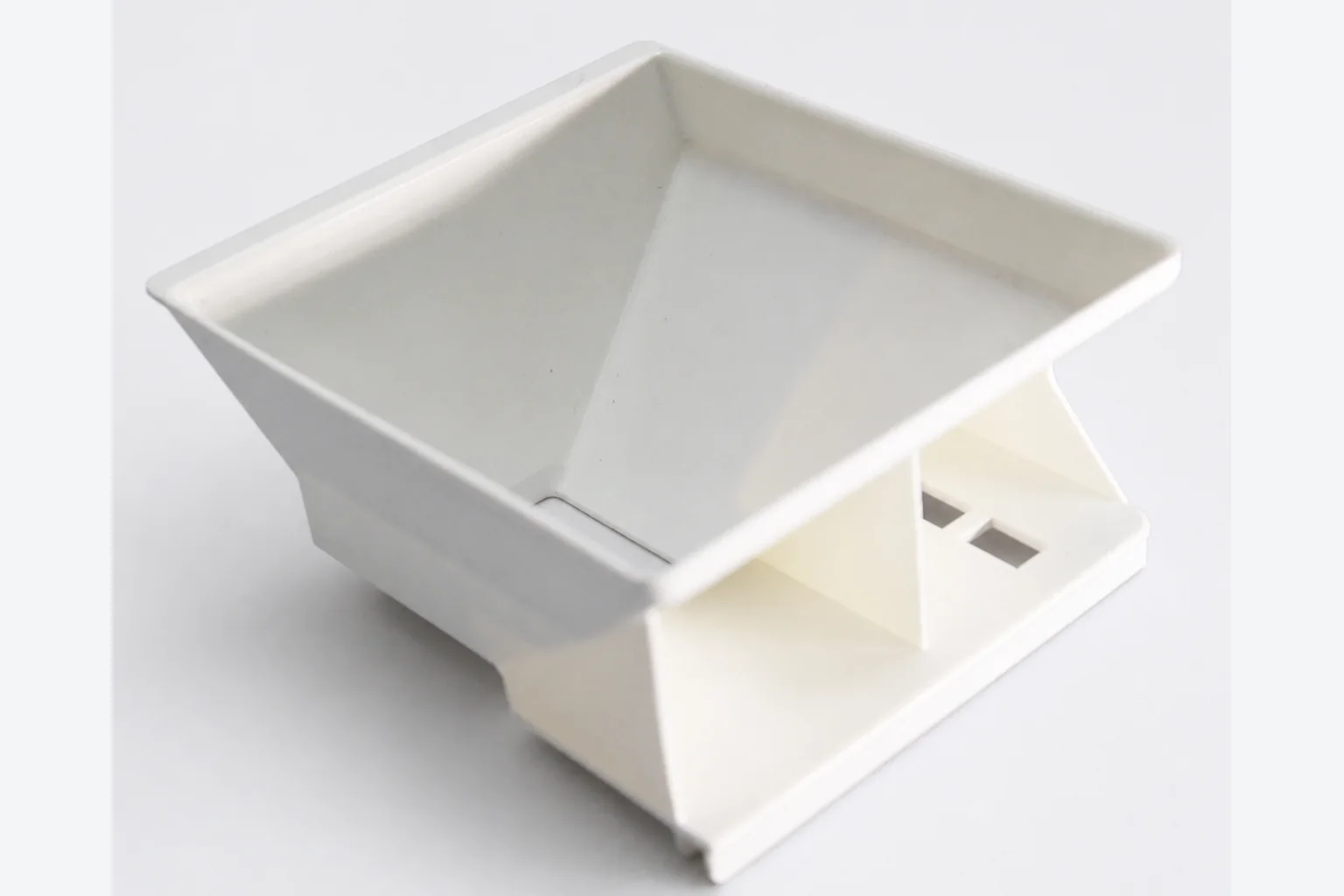
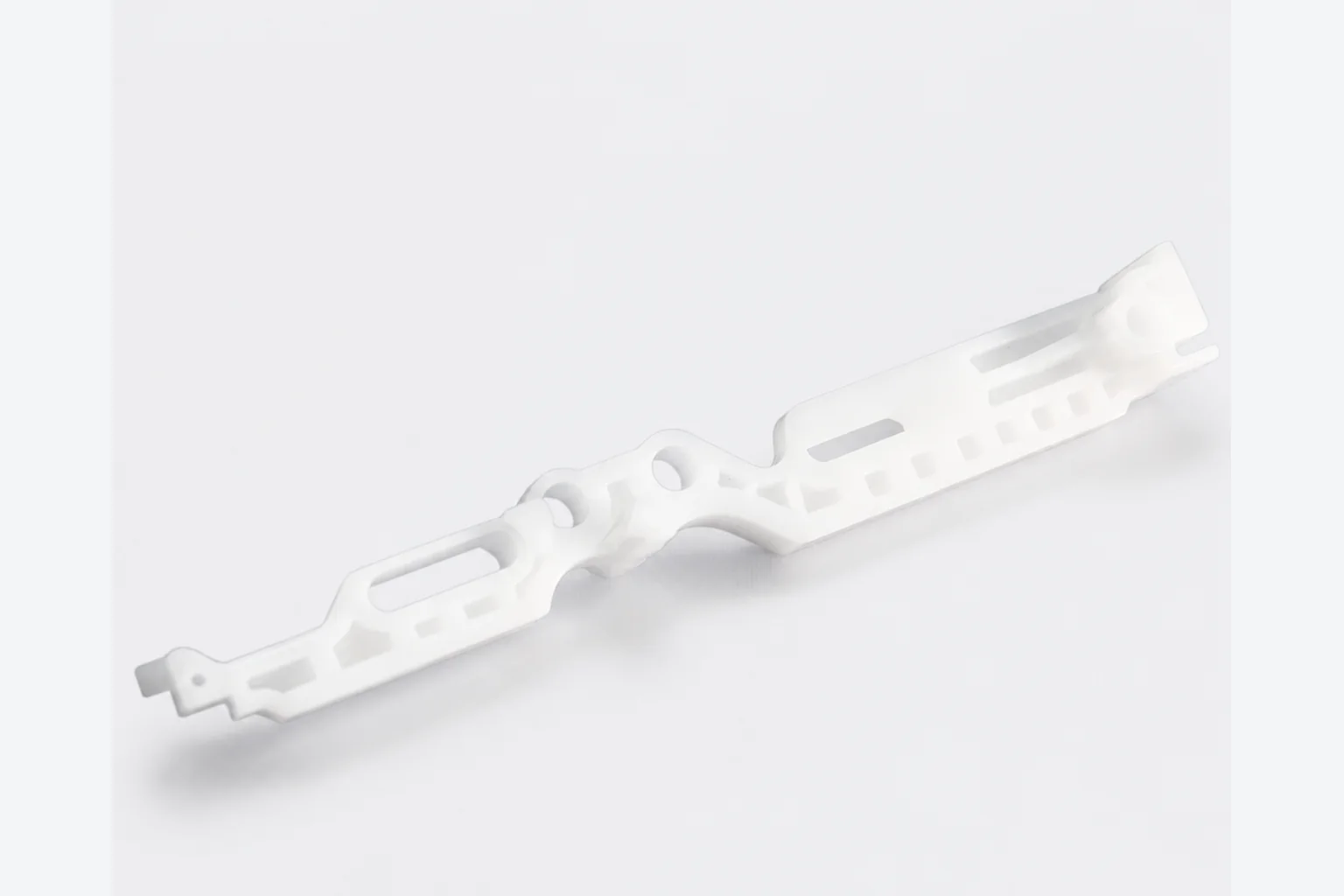
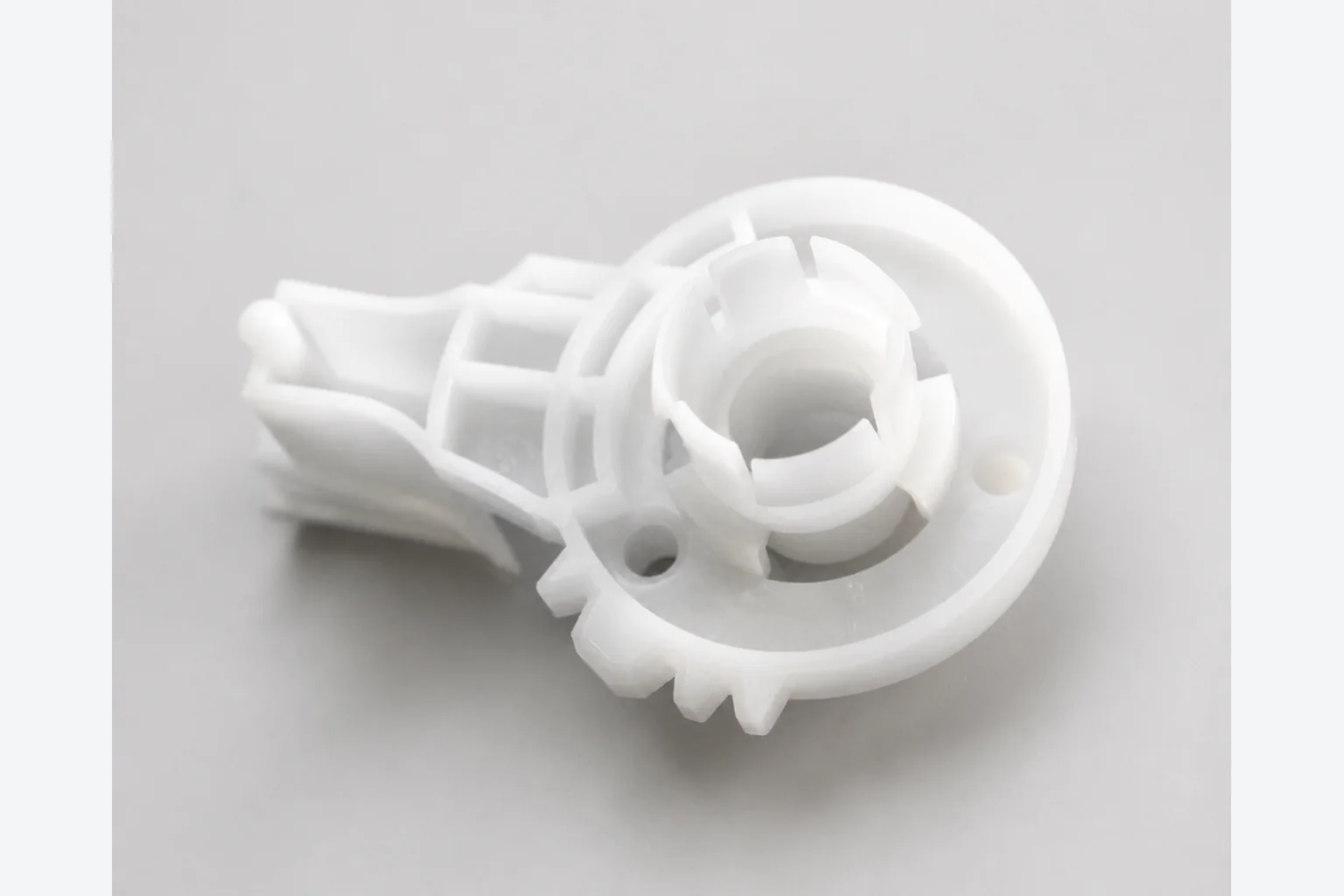
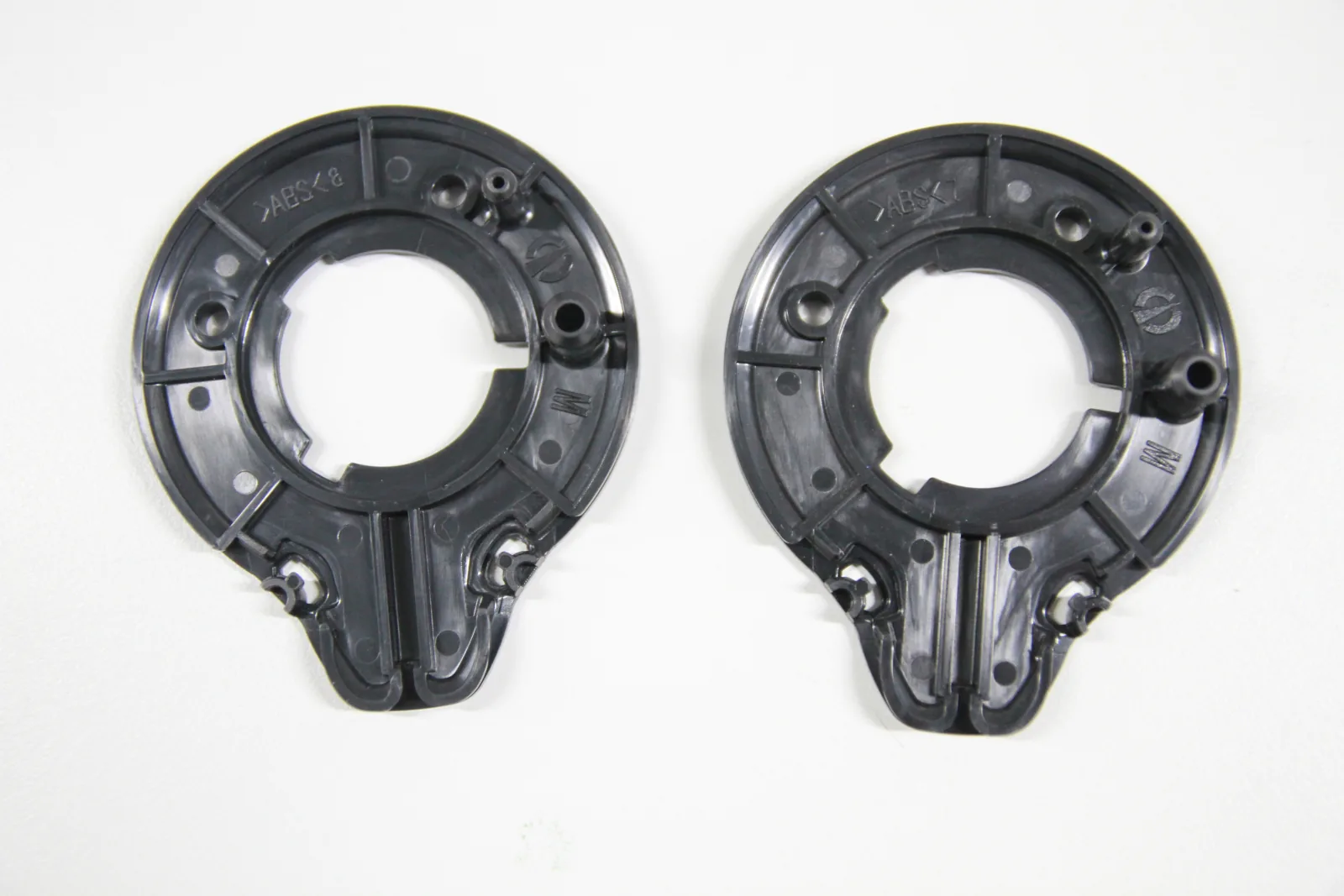
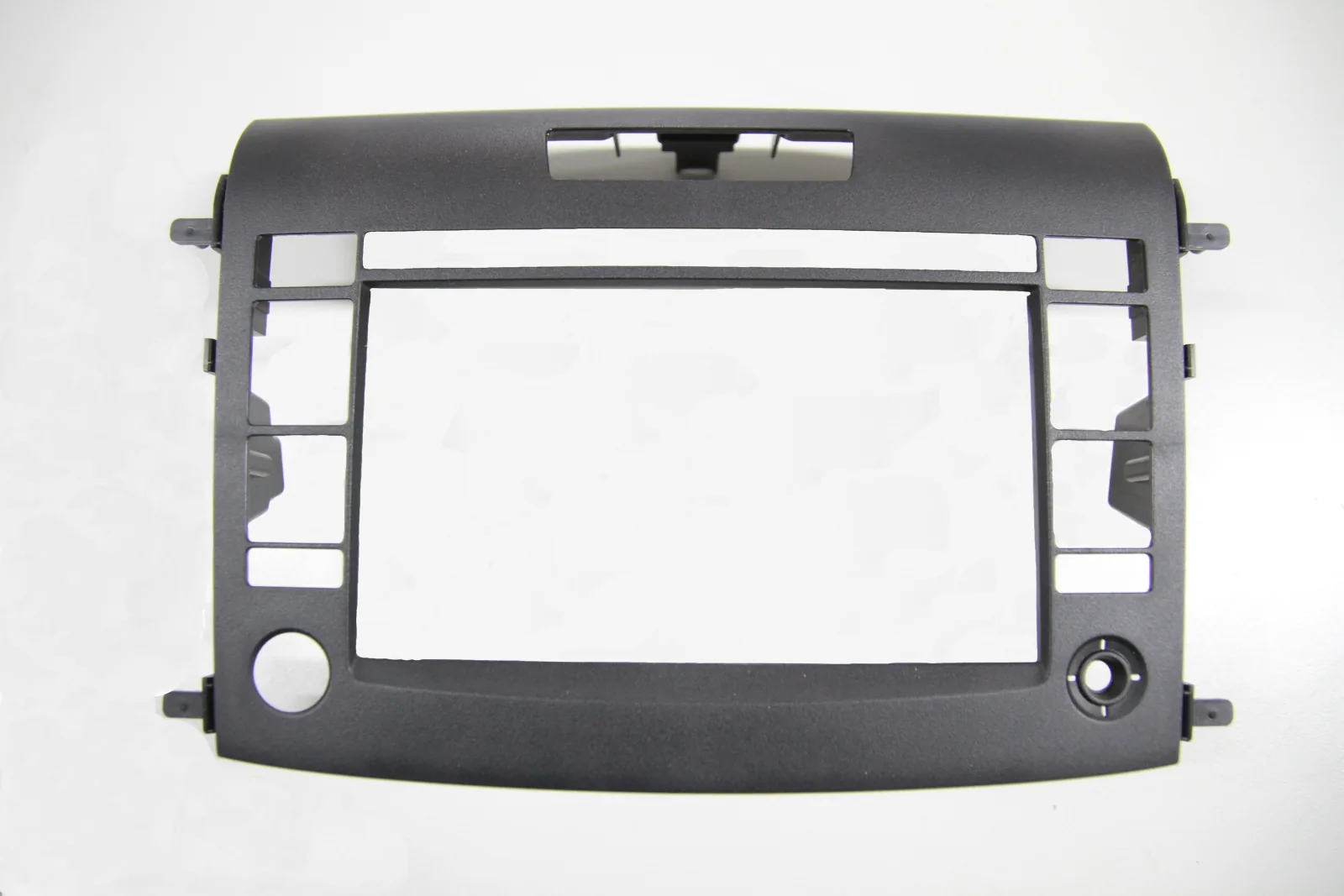
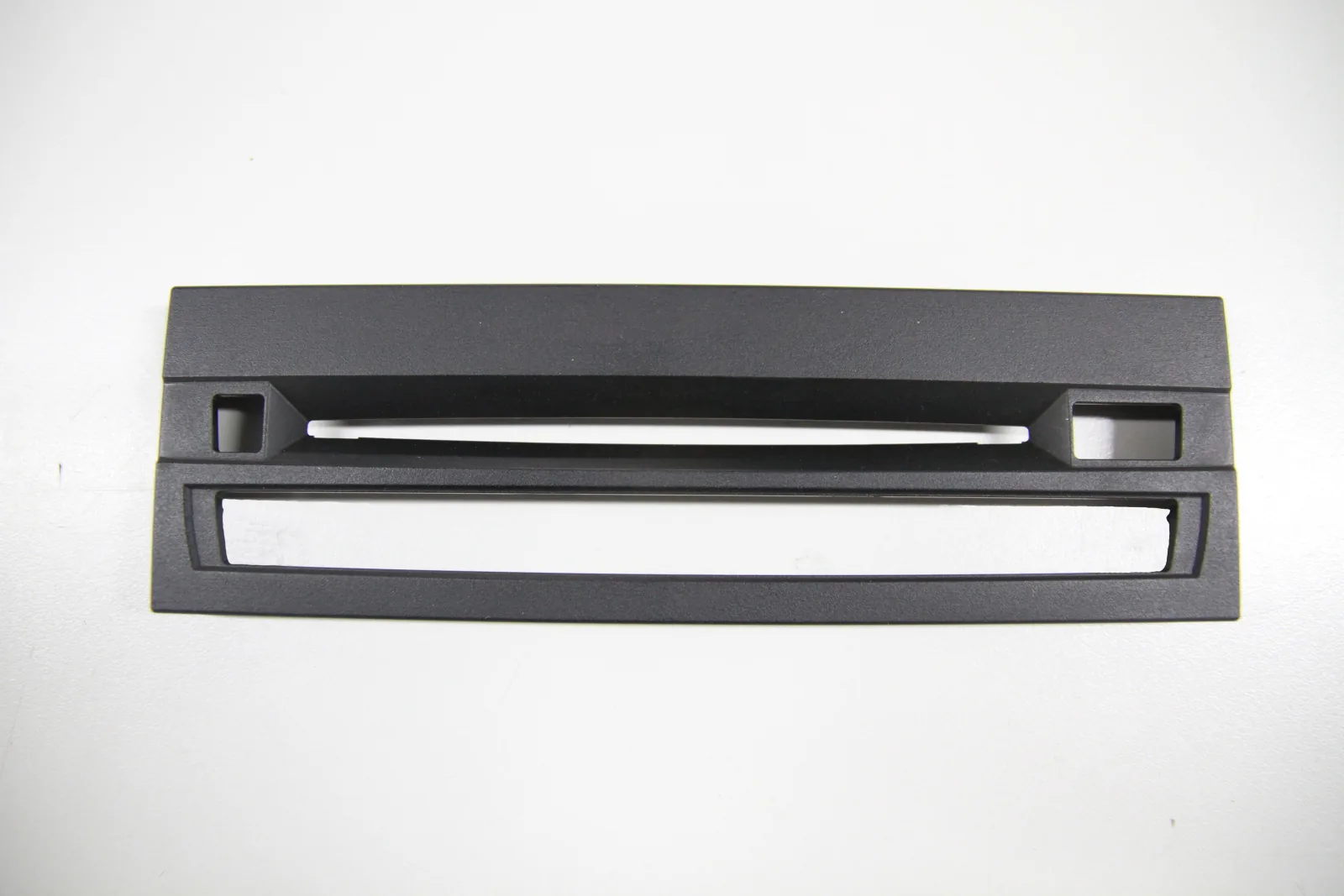
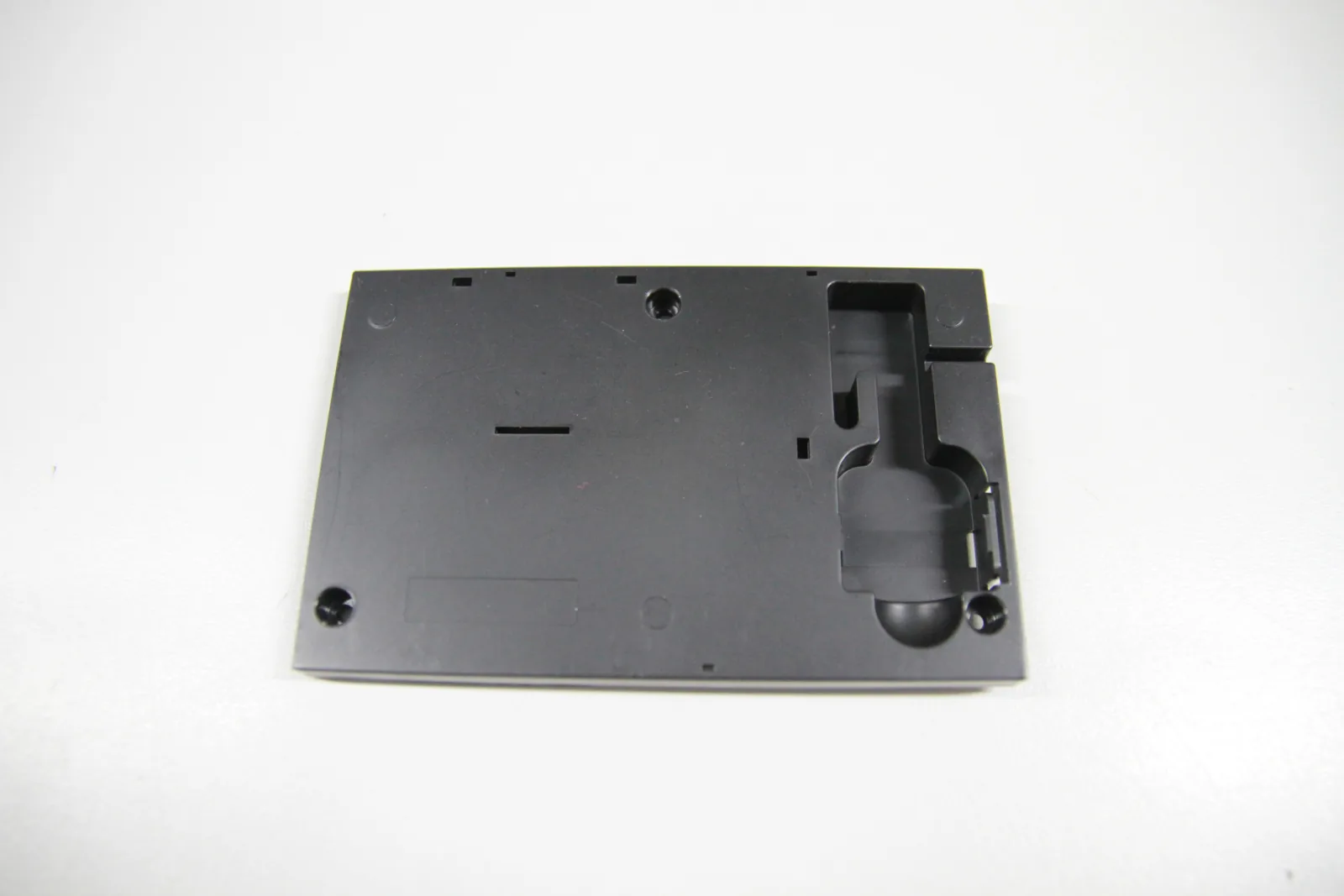
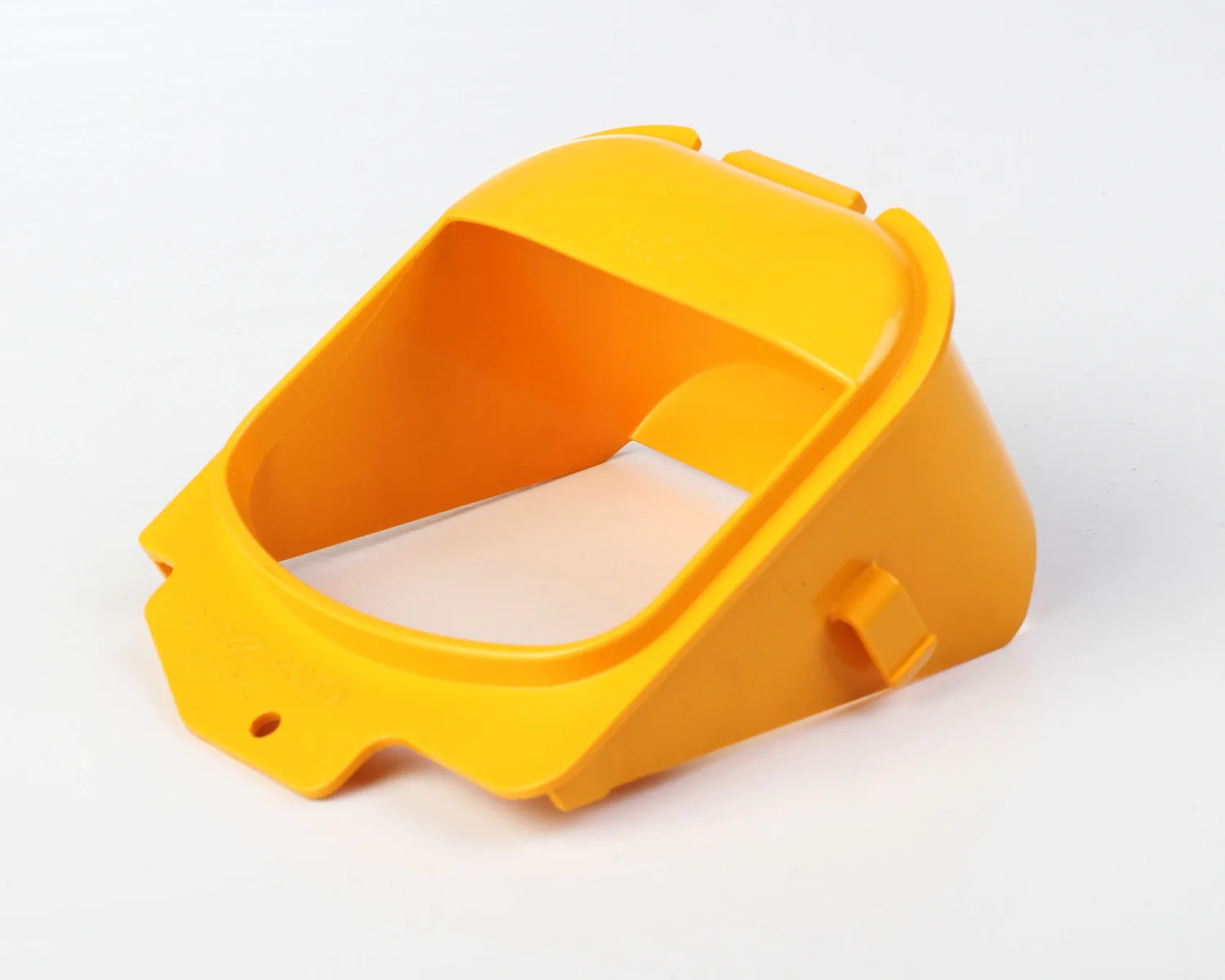
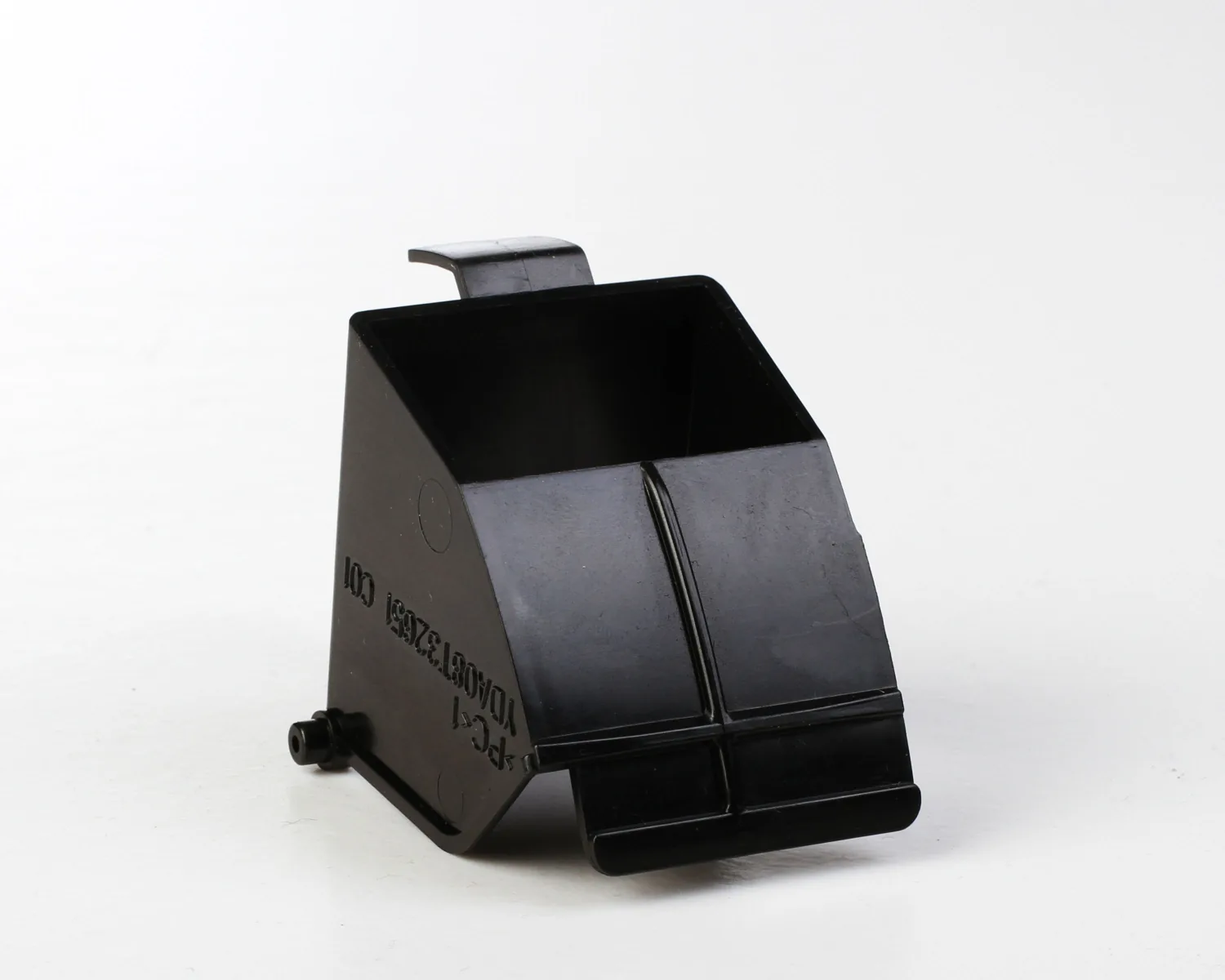
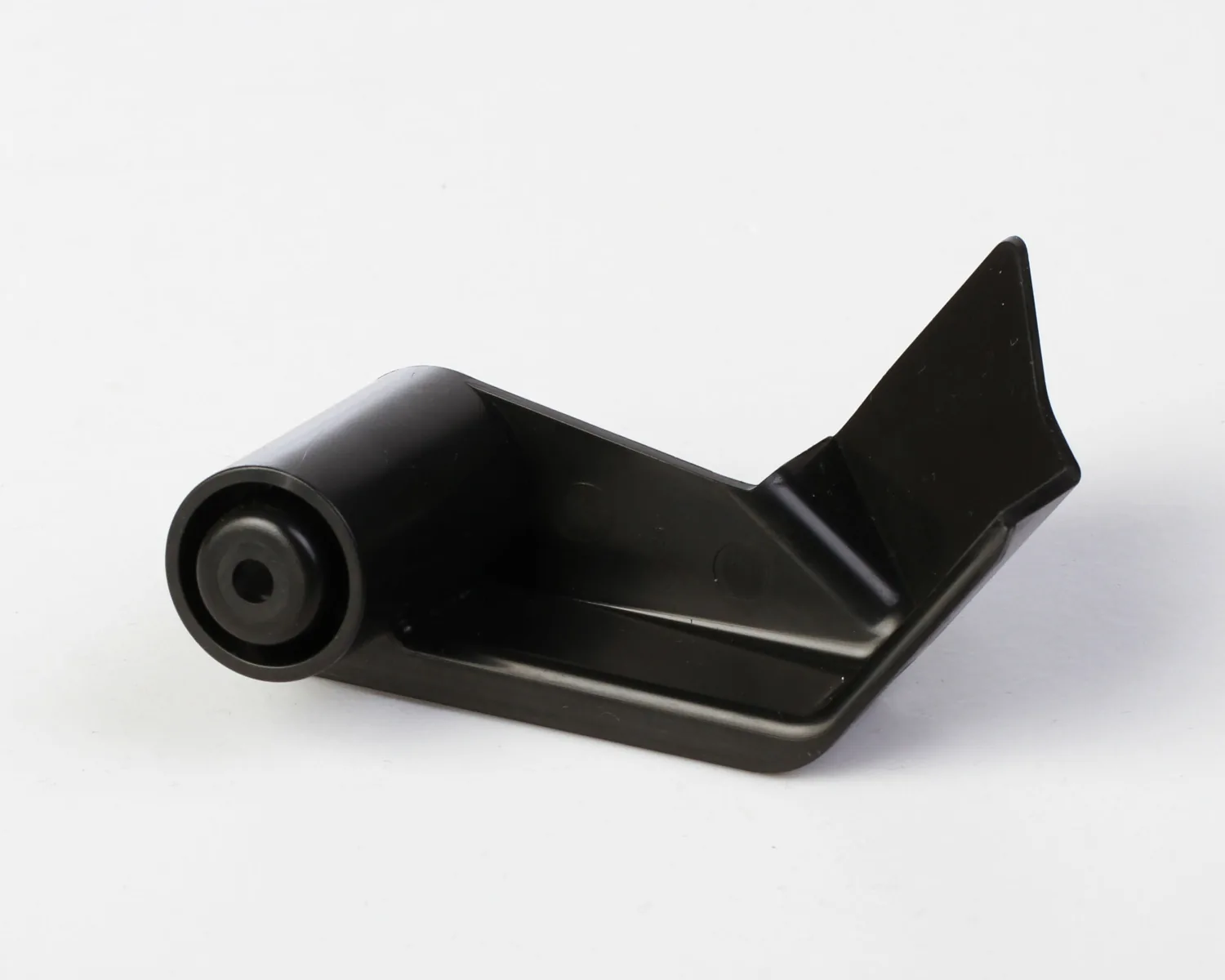
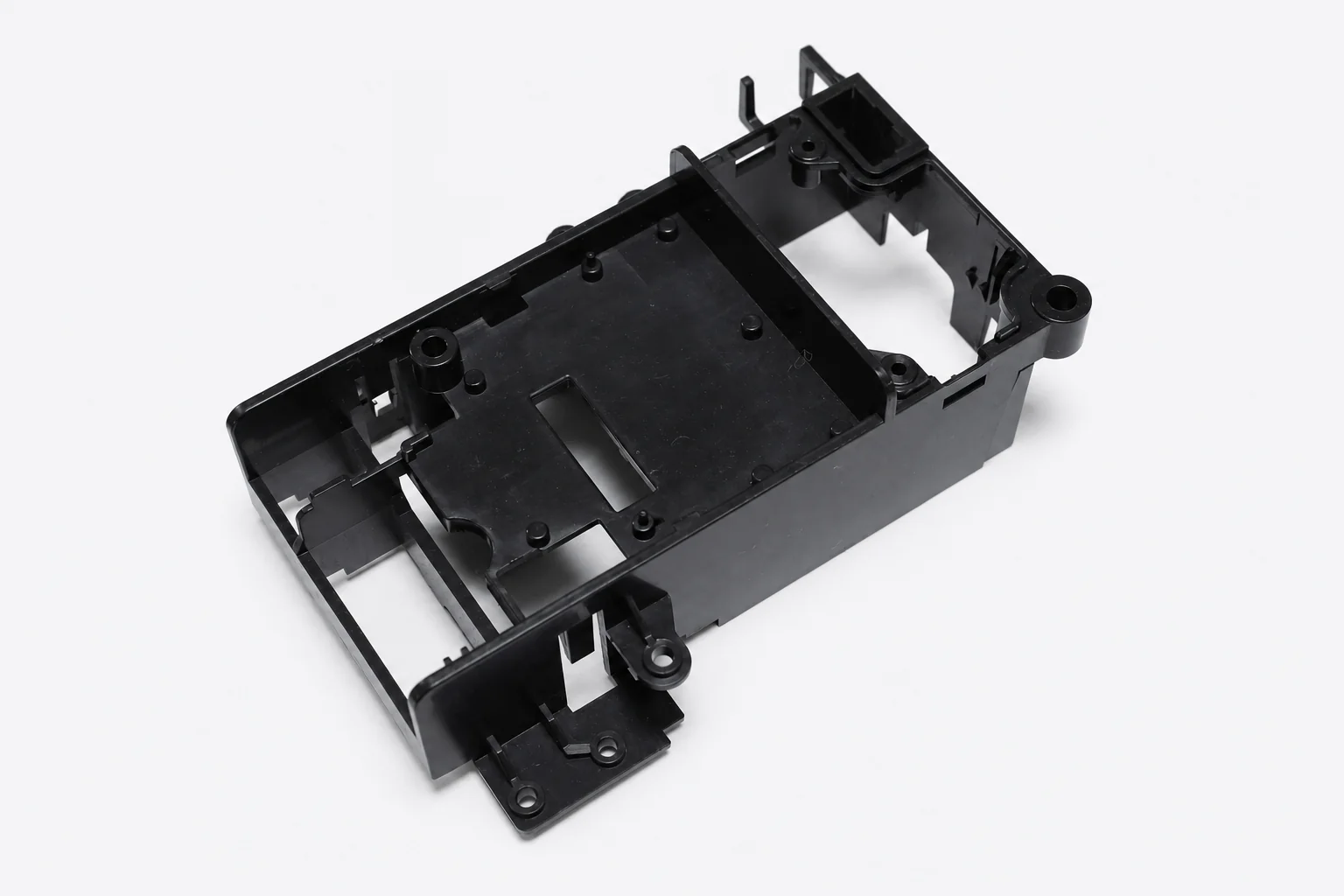
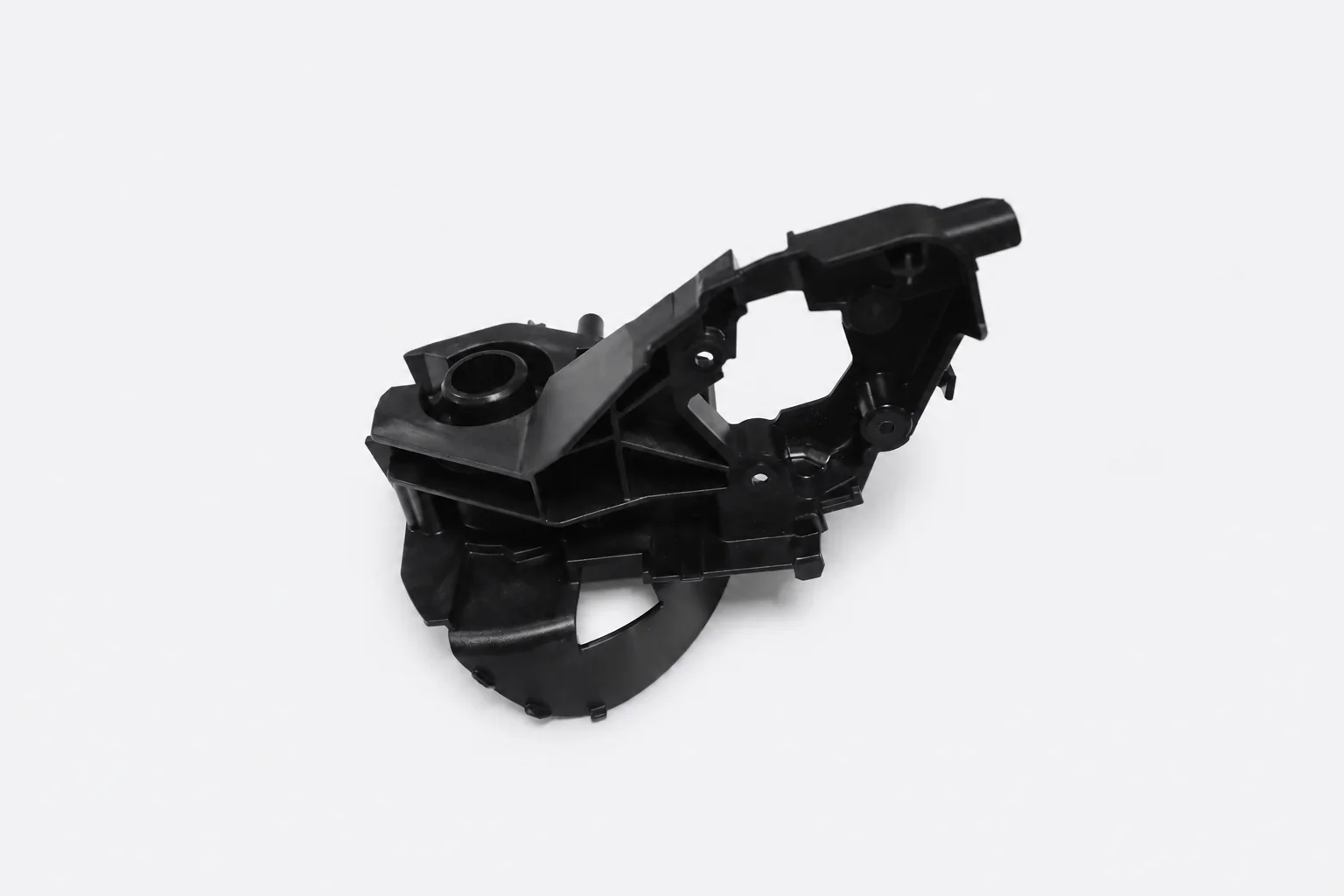
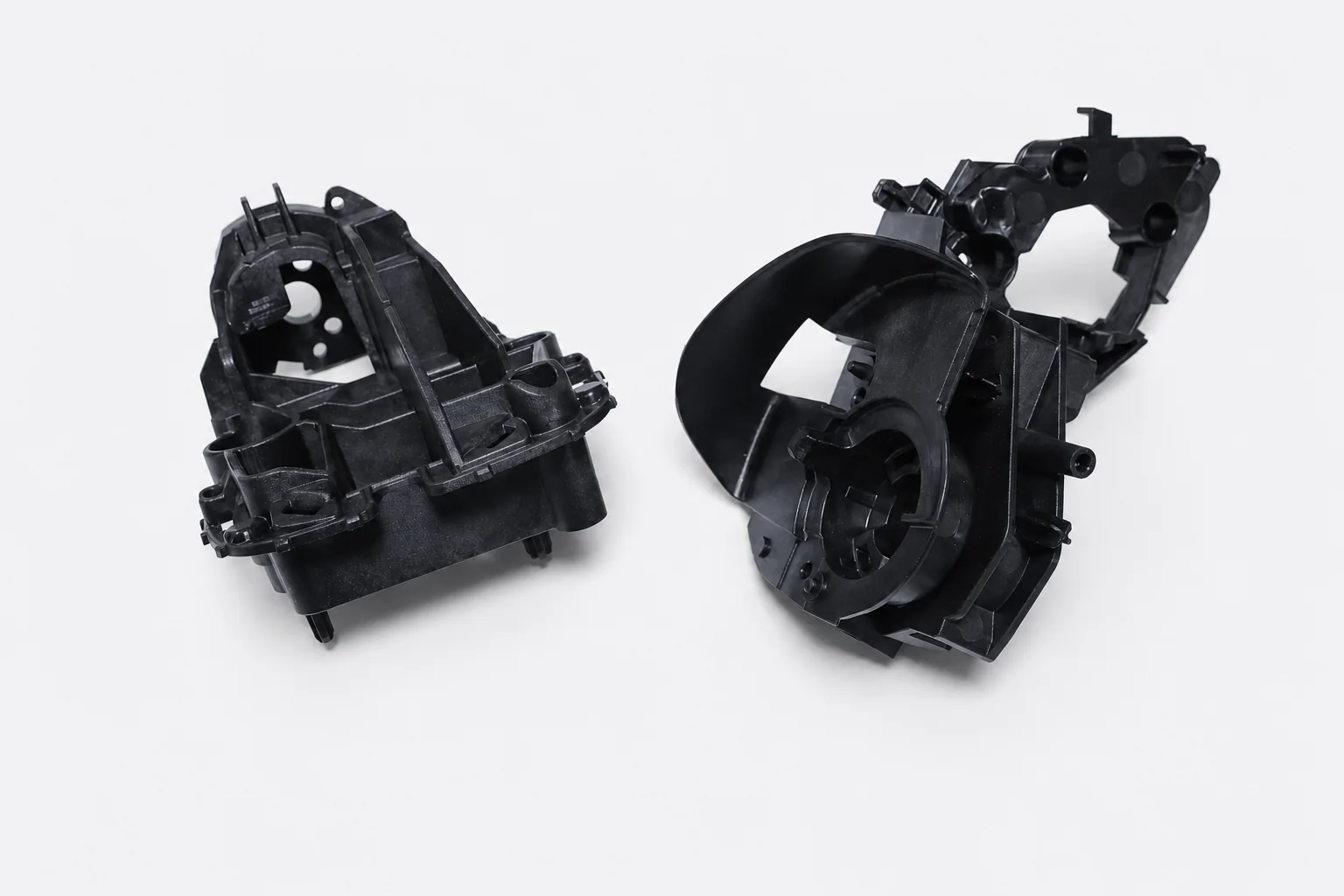
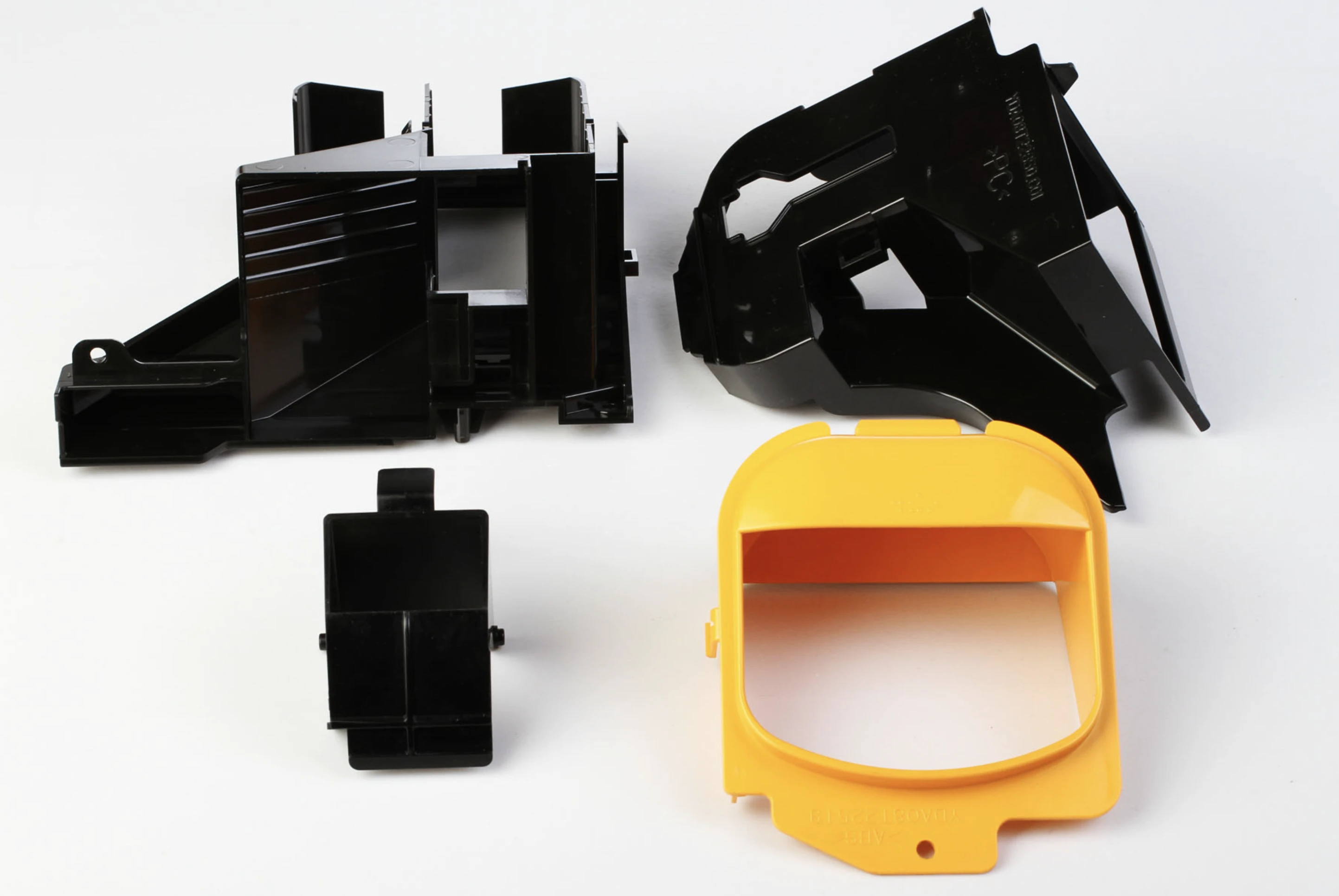
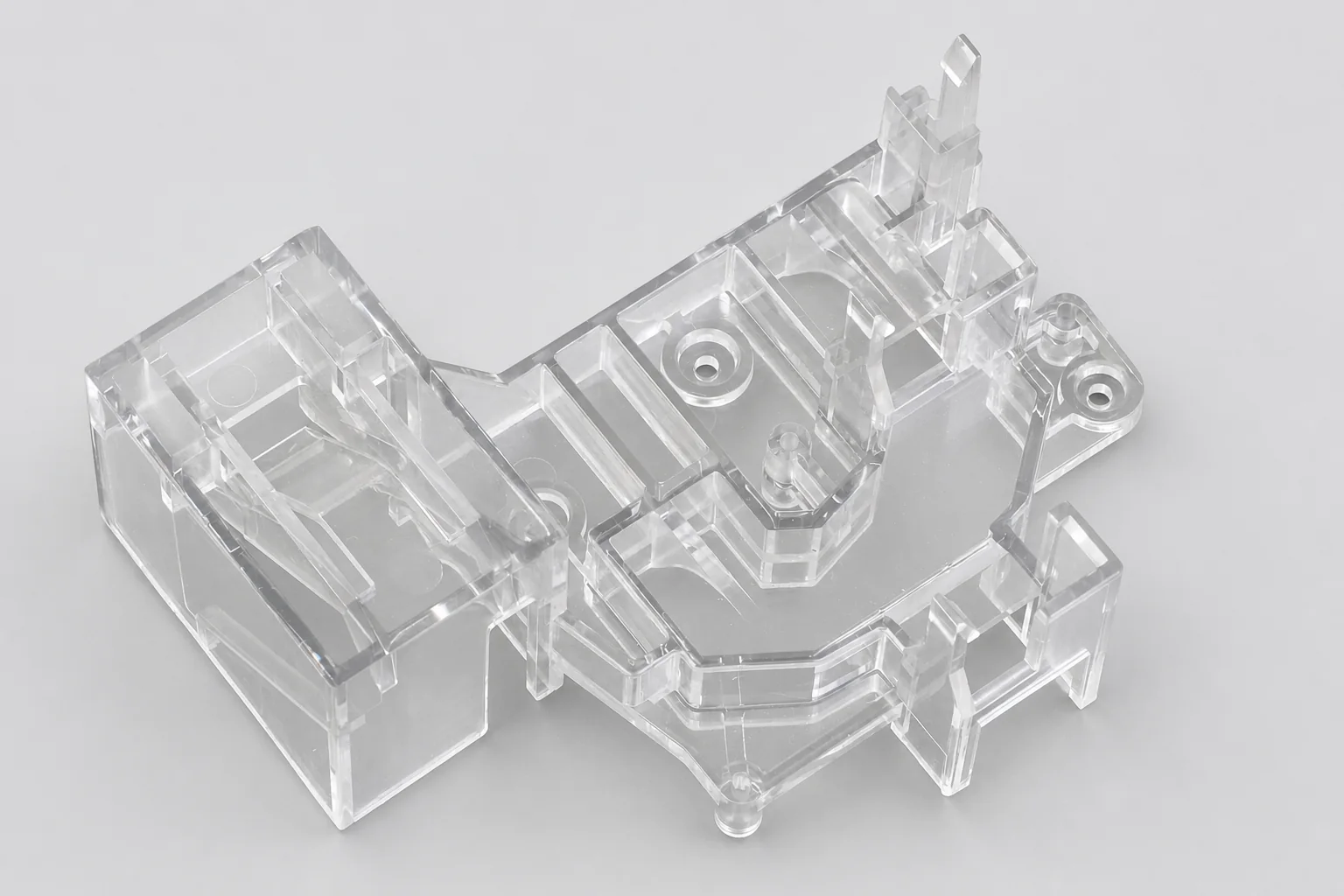
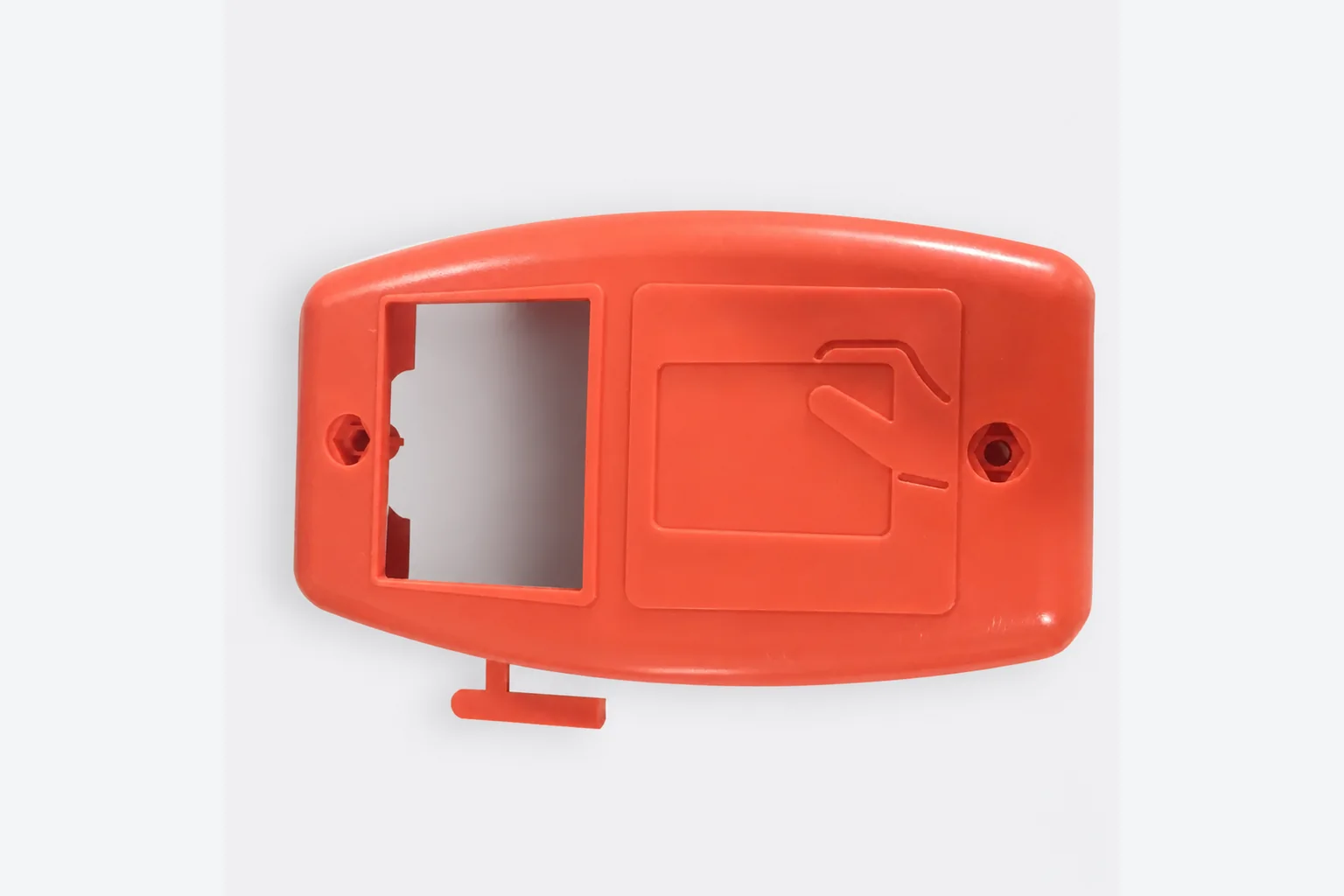
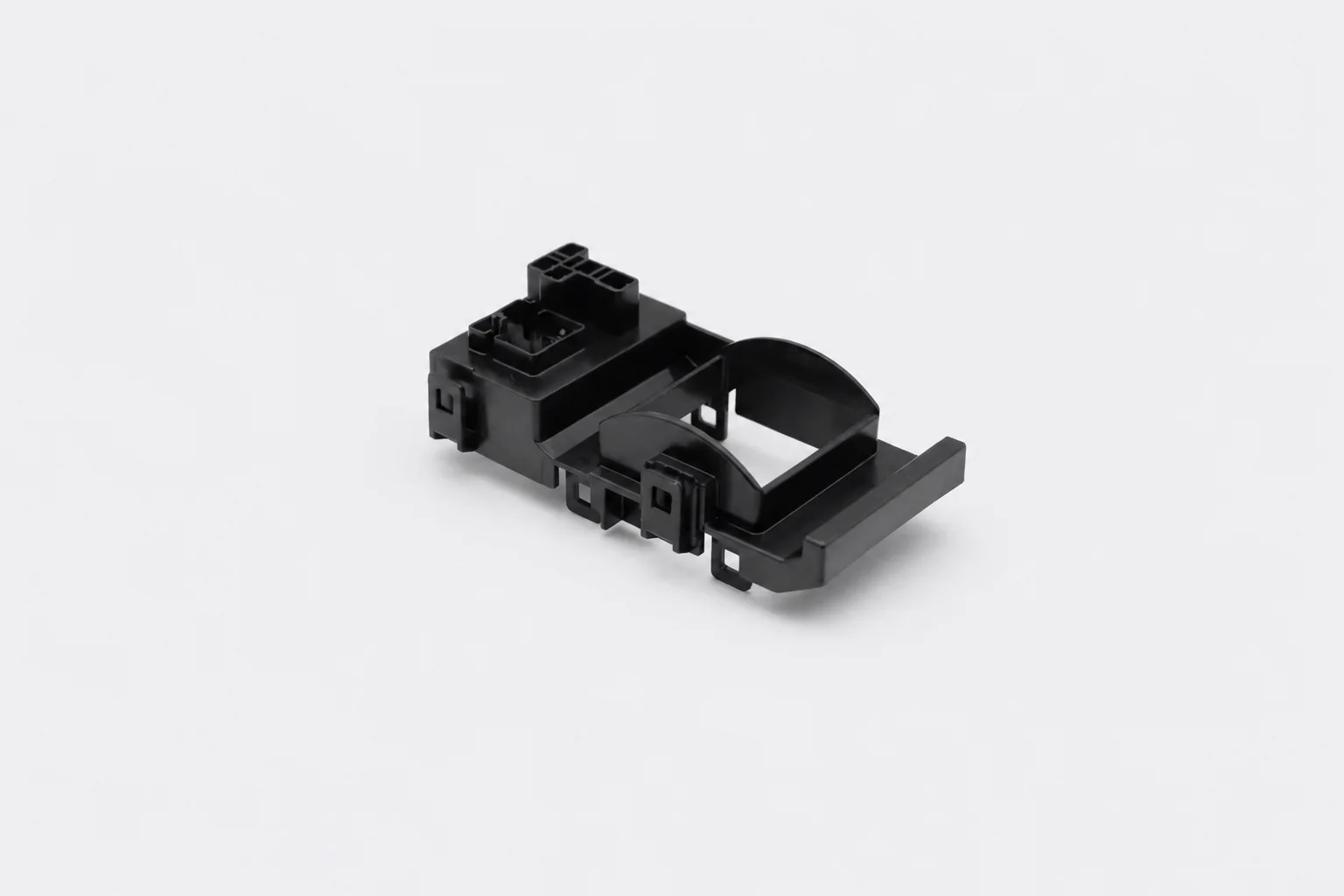
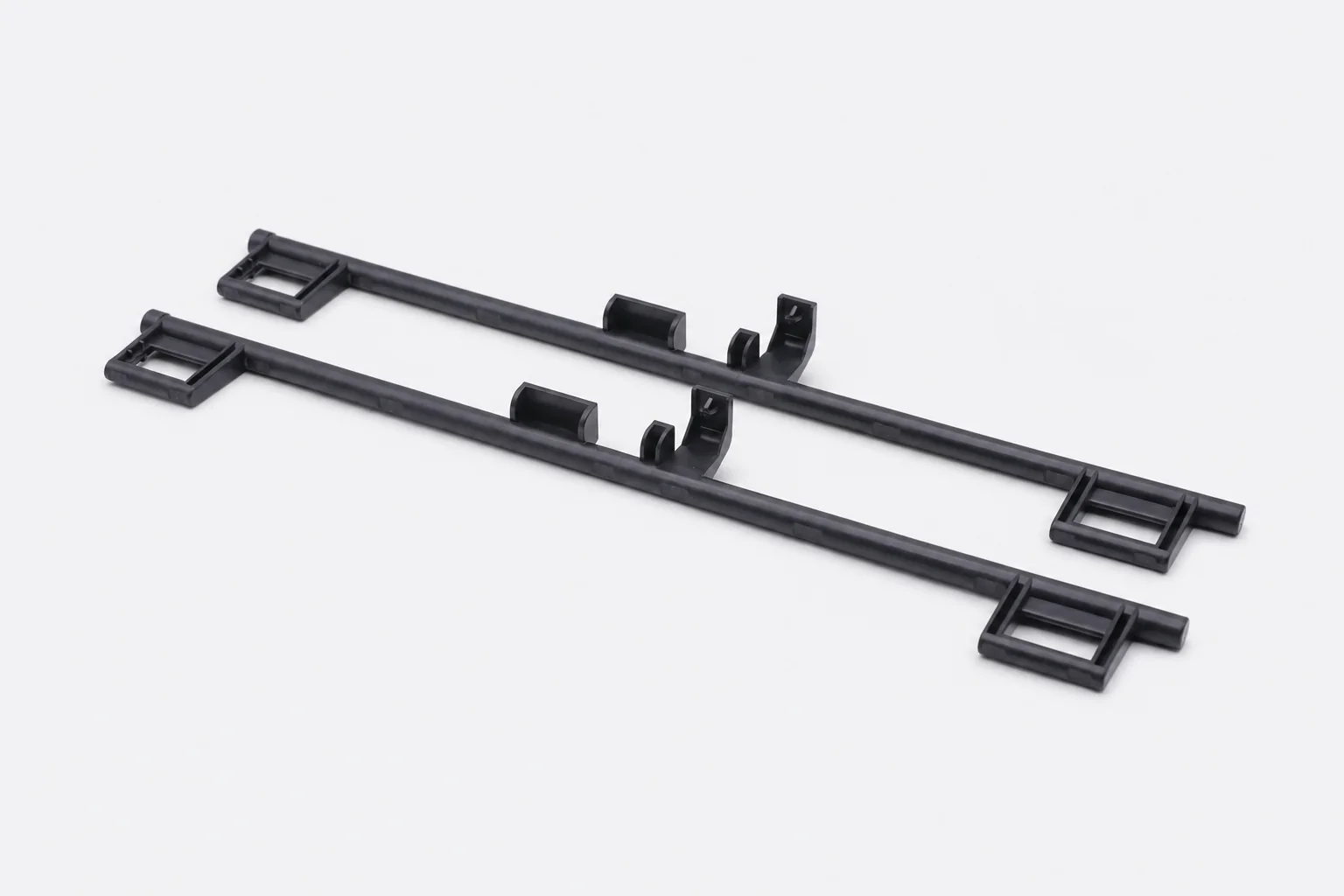
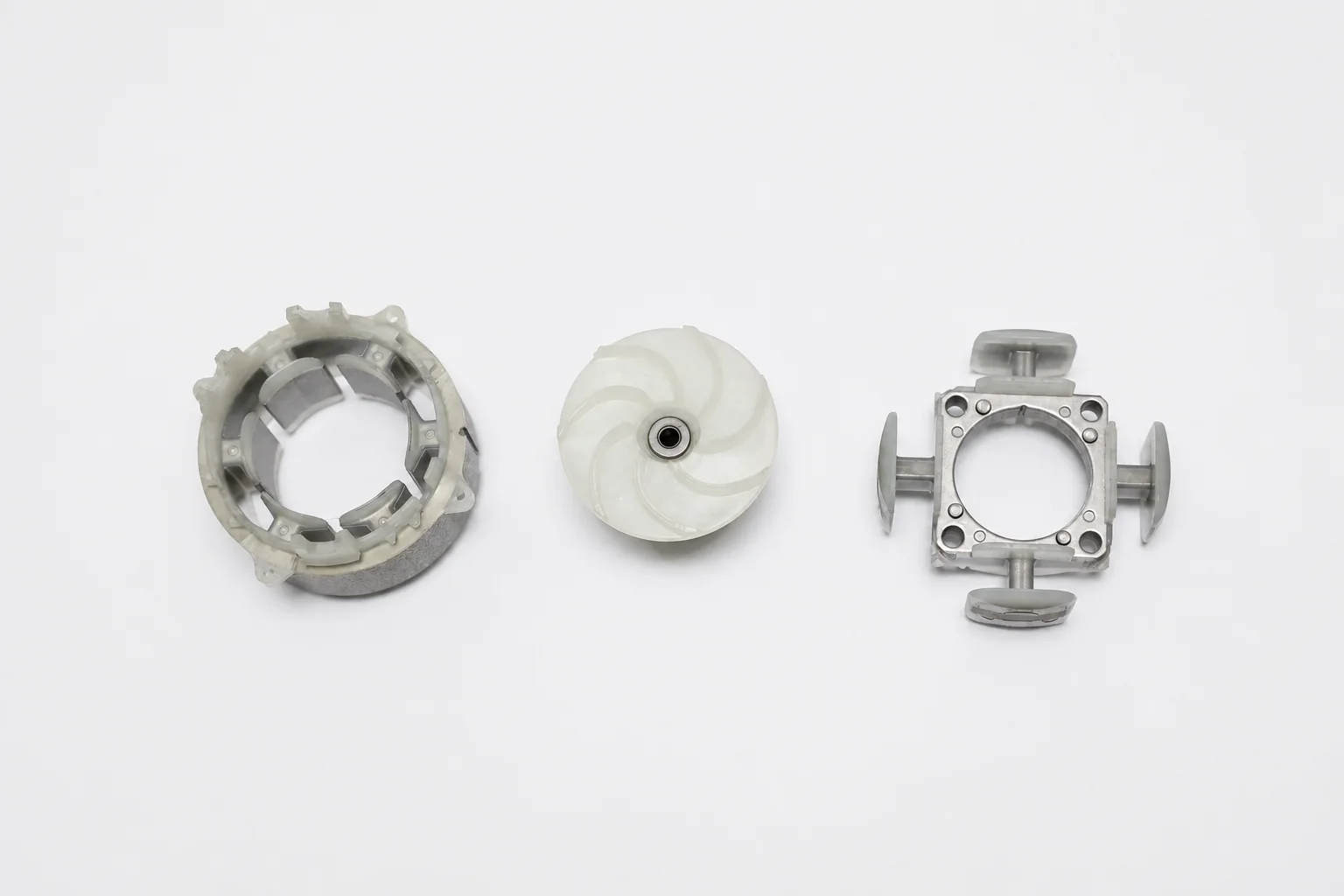
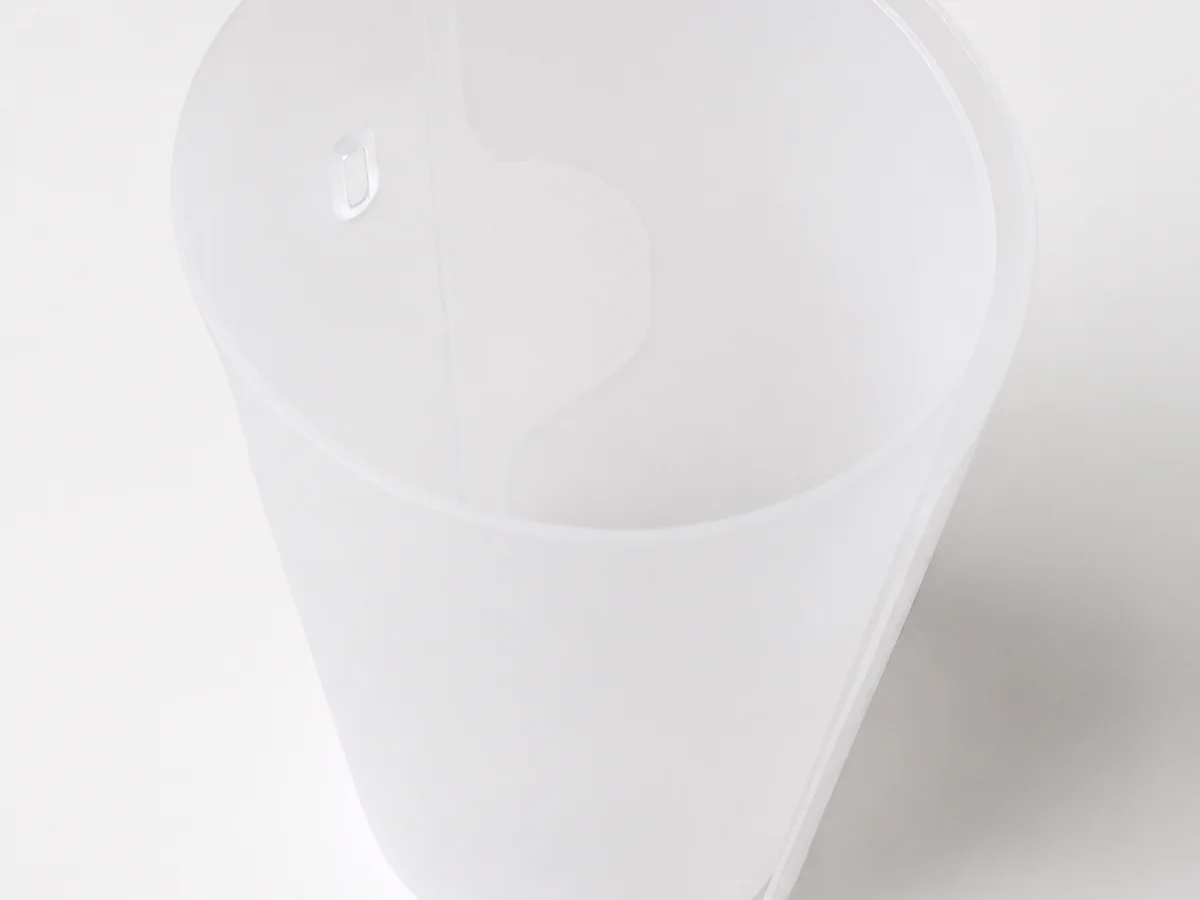
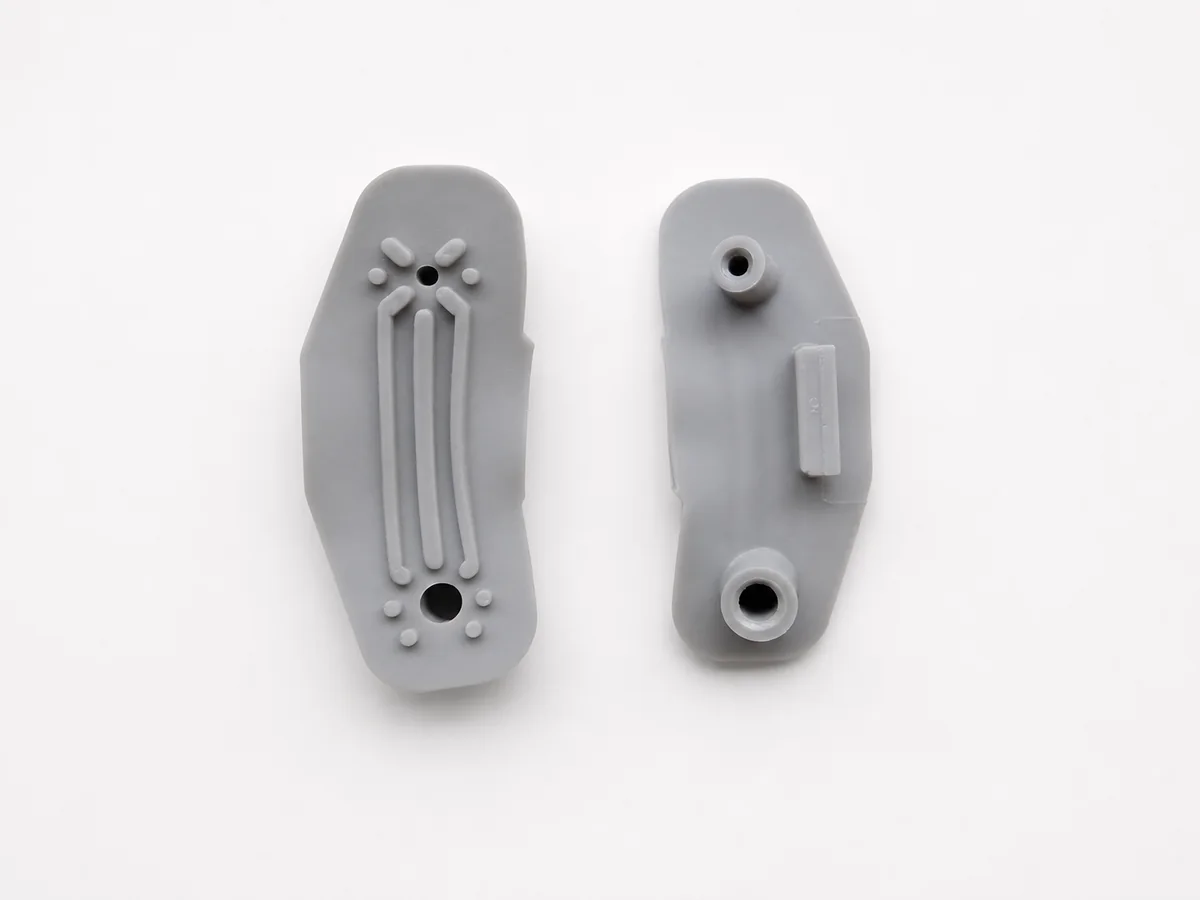
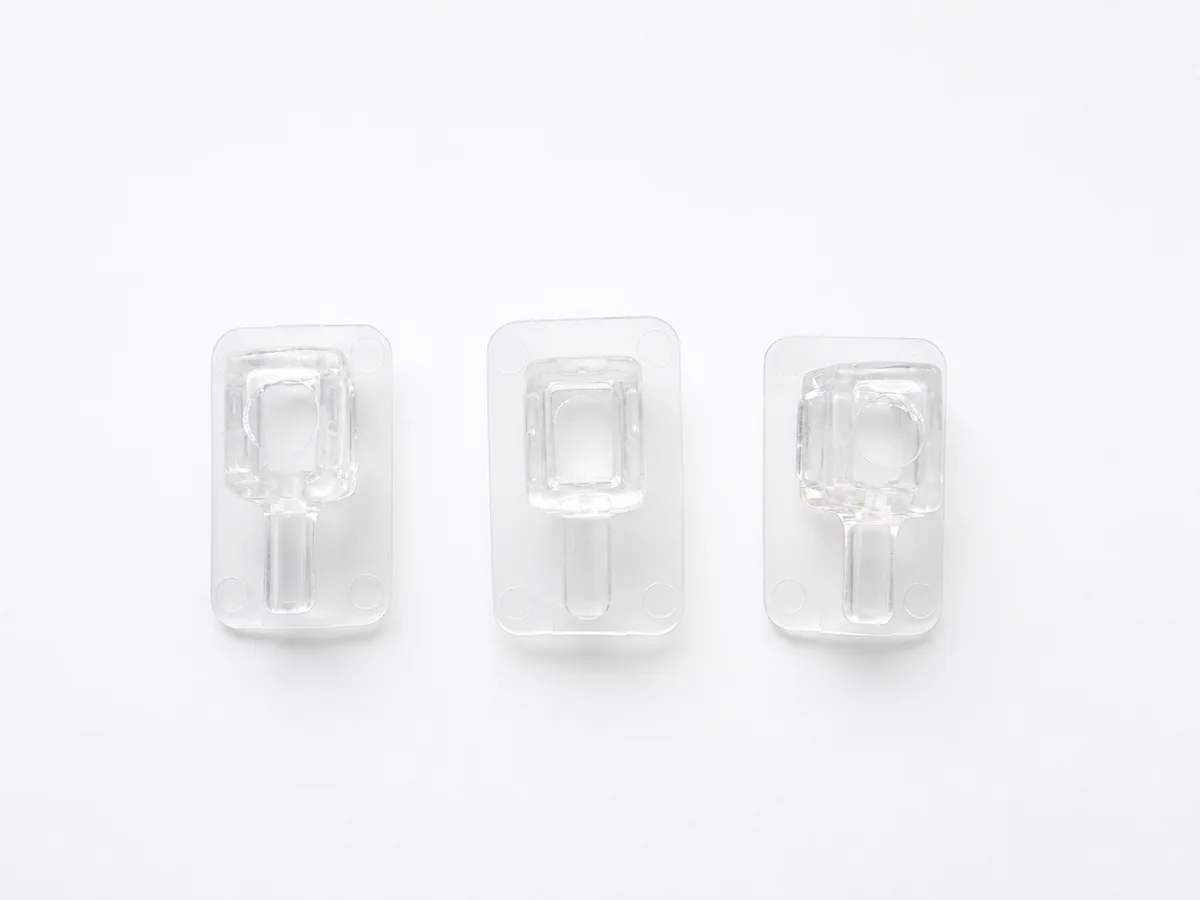
Gallery of mold parts

FAQs

How do you control part quality from prototype to mass production?

We apply stage-based quality control, including first article inspection, in-process dimensional checks, and final outgoing verification. The same control plan logic is carried from prototypes into serial production to keep data and acceptance criteria consistent.

Can you support specialized materials not listed in the current gallery?

Yes. Beyond commonly used polymers and metals, we support project-based sourcing for specialized grades when engineering requirements justify them. Material substitutions are reviewed with performance, compliance, and lead-time impact in mind.

What tolerance and inspection capability can you provide for critical features?

For precision features, we build process routes around CNC, EDM, and grinding combinations and verify dimensions using calibrated inspection equipment. Acceptance is tied to drawing-critical points, not only nominal dimensions.

How are lead times managed for tooling changes and repeat orders?

Lead time planning is split into engineering review, process readiness, and production windows. Repeat projects benefit from retained process knowledge, which shortens setup cycles and reduces approval risk during ramp-up.

How do you protect customer IP and technical documentation?

Customer files are handled under controlled access, role-based sharing, and documented communication workflows. NDA-aligned handling is integrated into project onboarding to reduce IP exposure throughout the product lifecycle.