Precision spark erosion for complex mold details

Custom EDM Machining Services

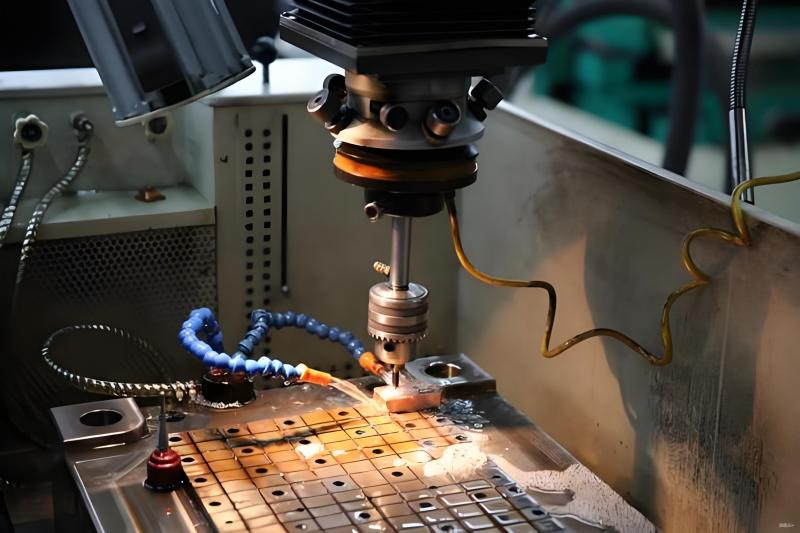
RIXIN uses sinker EDM to produce deep cavities, narrow ribs, sharp internal details, and controlled textures in hardened conductive materials. Electrode planning, wear compensation, and staged finishing support stable mold accuracy.

Get Instant Quote
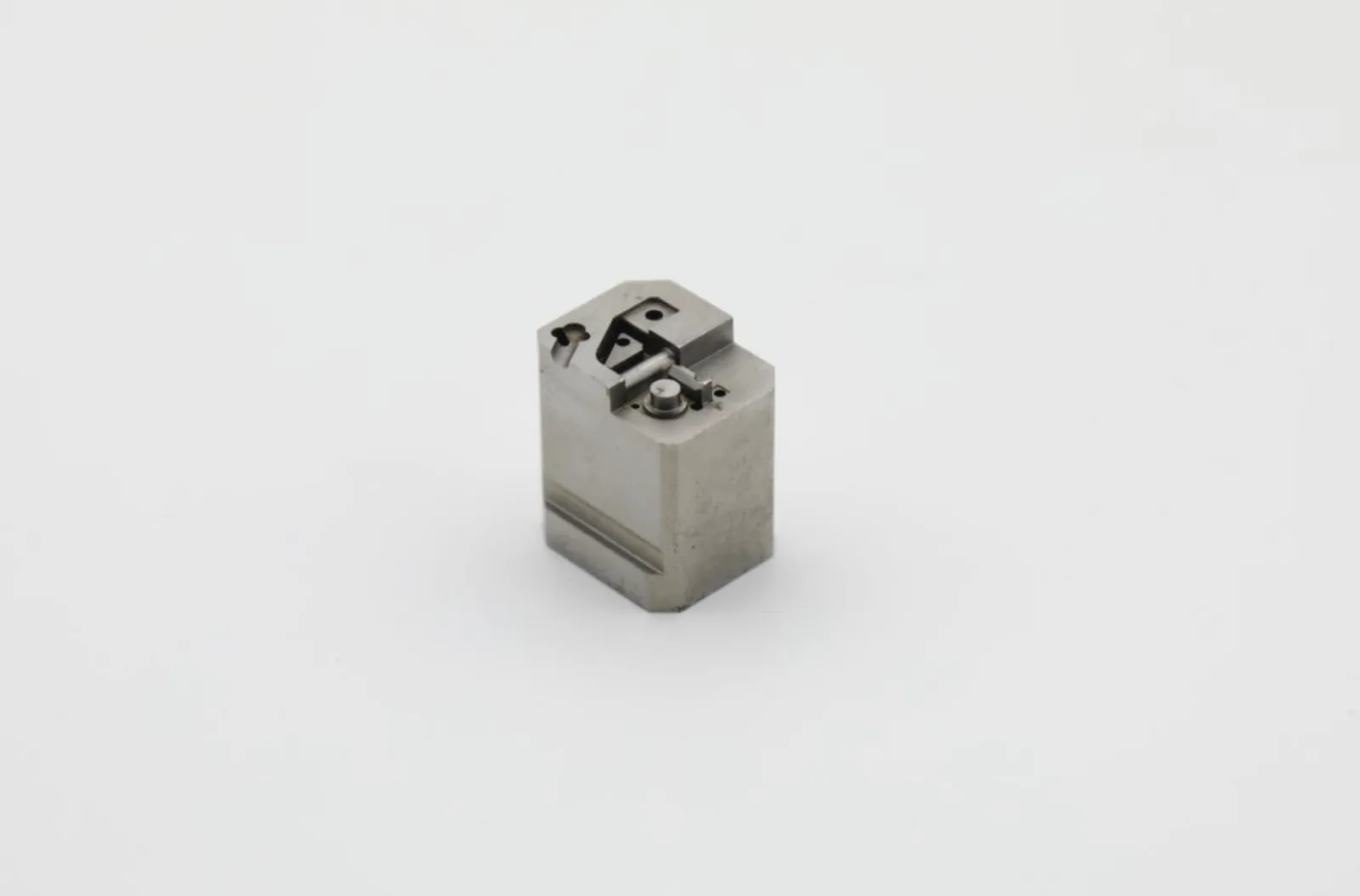
EDM machined mold detail

EDM support for precision mold inserts, cavities, ribs, textures, and difficult-to-machine details

Mirror FinishDeep CavitiesTexturesToolingInspection
Engineering material selection guide

Sinker EDM Materials and Electrode Options

Sinker EDM forms cavities, ribs, sharp internal details, and textures in electrically conductive workpieces. A credible material plan considers both the workpiece and the electrode because conductivity, melting behavior, wear, and finish are linked.

Material scopeConductive workpieces plus graphite, copper, and copper-tungsten electrodes
Best suited forDeep cavities, narrow ribs, sharp internal corners, textures, and hardened mold details
For a faster quoteShare cavity depth, minimum rib width, corner radius, target finish, and allowable recast layer.
Workpiece Materials for sinker EDM

Tool Steel Workpieces

Overview

Tool steel is the primary sinker EDM workpiece for injection molds, die-casting tools, stamping dies, and wear inserts. EDM produces features that cutters cannot reach and can finish hardened steel directly.

Key Advantages

  • Deep cavity and sharp-corner capability
  • Works after heat treatment
  • Supports controlled texture and fine mold detail
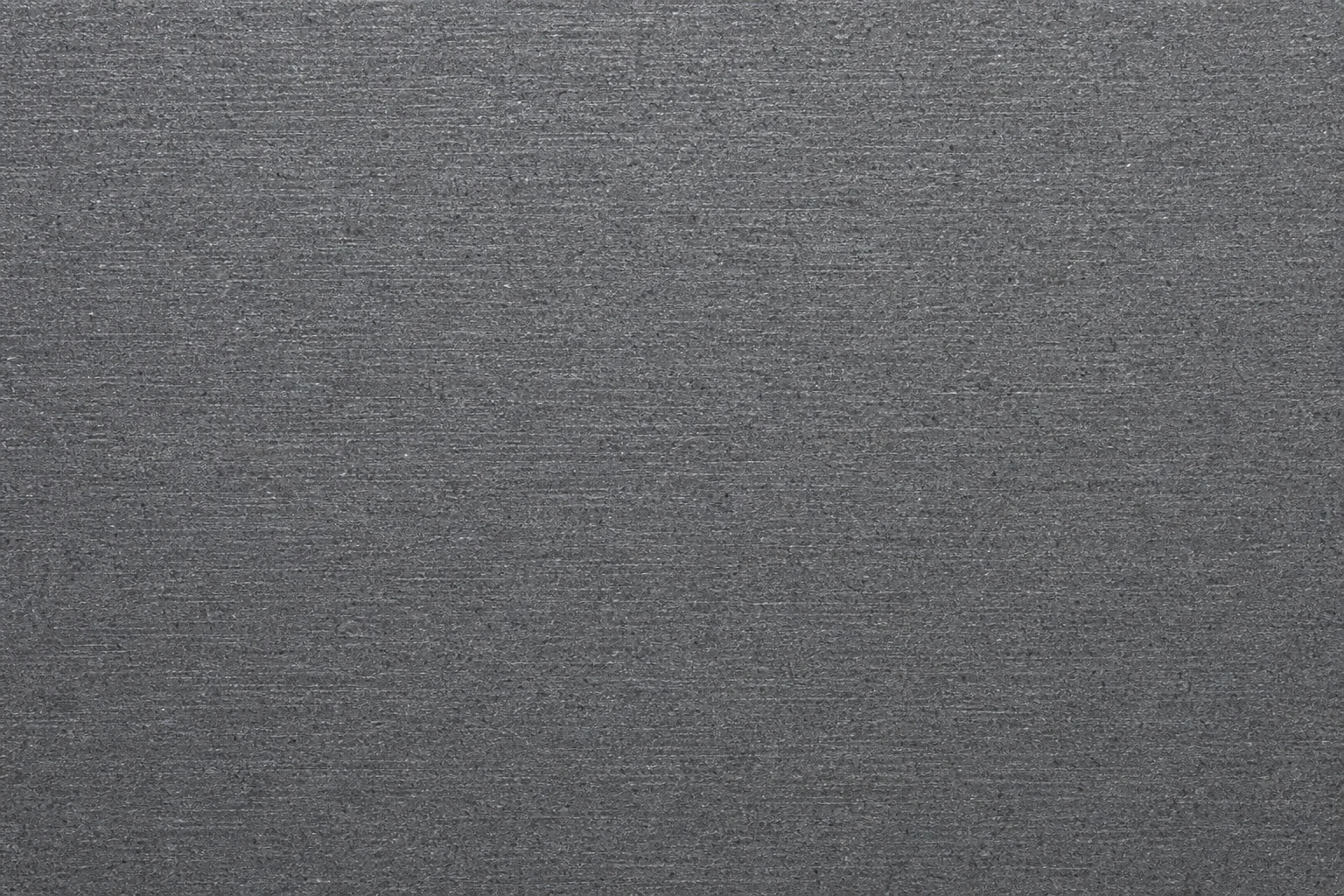
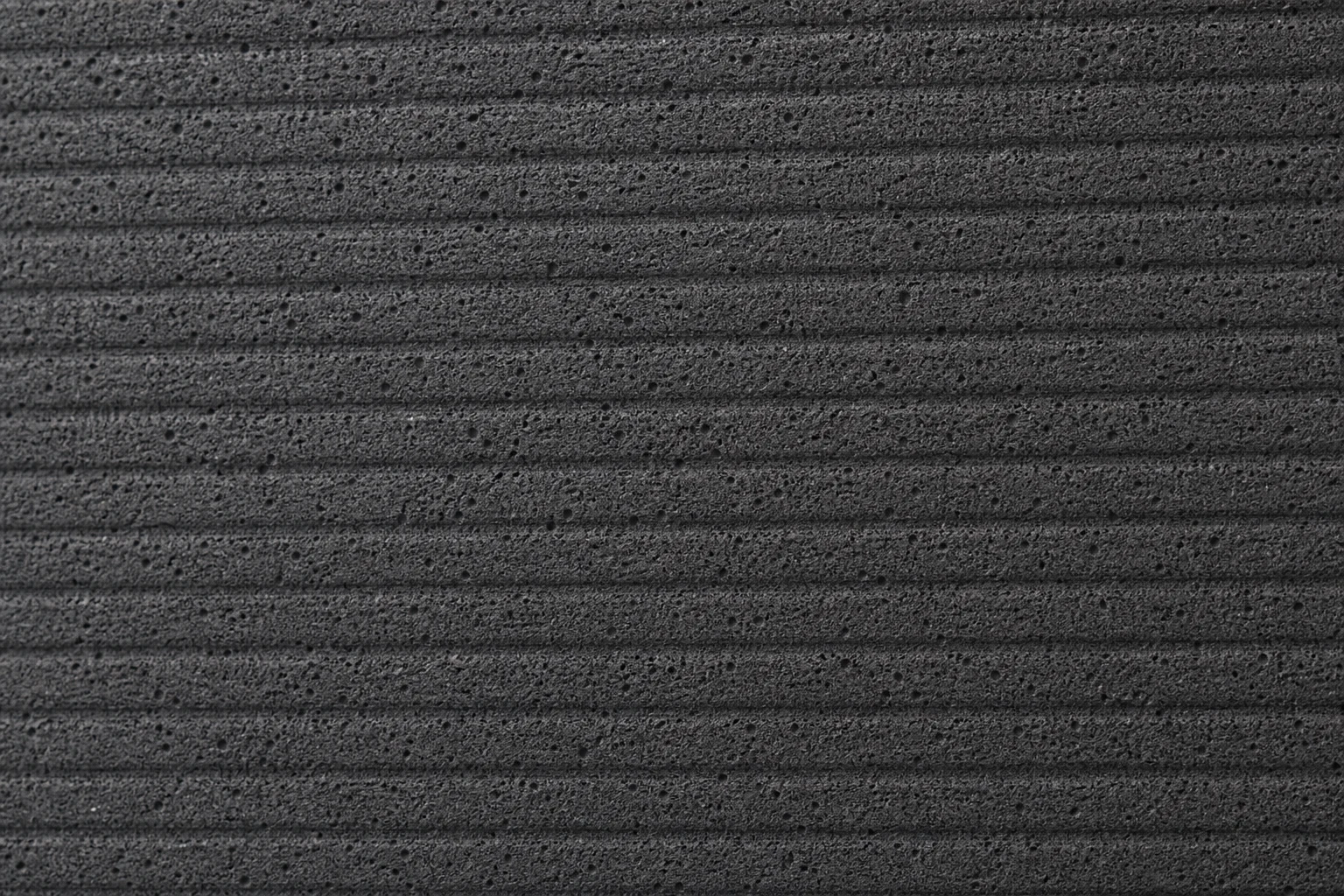
Tool Steel Workpieces macro surface texture for sinker EDM
Macro surface texture of Tool Steel Workpieces, showing its characteristic color and machining finish.
Finished EDM mold cavityPrecision EDM tooling insert

Typical Applications

  • Mold cavities
  • Deep ribs
  • Gate and vent details
  • Textured inserts
  • Die features

Recommended Industries

  • Injection molding
  • Die casting
  • Stamping
  • Automotive
  • Medical tooling

Available Grades

P20H13 / 1.2344D2 / SKD11S7NAK80S136 / 420 stainless tool steel

Surface Finishes

Standard EDM texturefine EDMmirror EDM preparationpolishPVD or nitriding after validation

Machinability

Excellent95/100

grade and hardness influence parameter selection and electrode wear

Hardness

28-62 HRC Typical range; confirm by grade and condition

Corrosion Resistance

  • Low to moderate
  • stainless mold grades offer better corrosion resistance

Precision Capability

  • Strong detail capability
  • dimensional accuracy depends on electrode compensation, wear control, flushing, and inspection strategy
Material properties and achievable tolerances vary by grade, condition, geometry, part size, and inspection method. Final recommendations are confirmed during engineering review.

Tolerances for EDM

Tolerance planning considers cavity depth, electrode material, wear compensation, flushing, corner geometry, target surface finish, and inspection access.

General EDM ControlProject-specific, based on drawing requirements
Precision FeaturesCritical cavity details are reviewed against depth, electrode access, surface finish, and measurement strategy.
Surface FinishStandard EDM to fine / mirror finish options
Typical ApplicationsDeep ribs, sharp corners, cavities, textures

EDM Quality Control

Electrode inspection, wear compensation, staged finishing, and dimensional verification support consistent cavity geometry and surface quality.

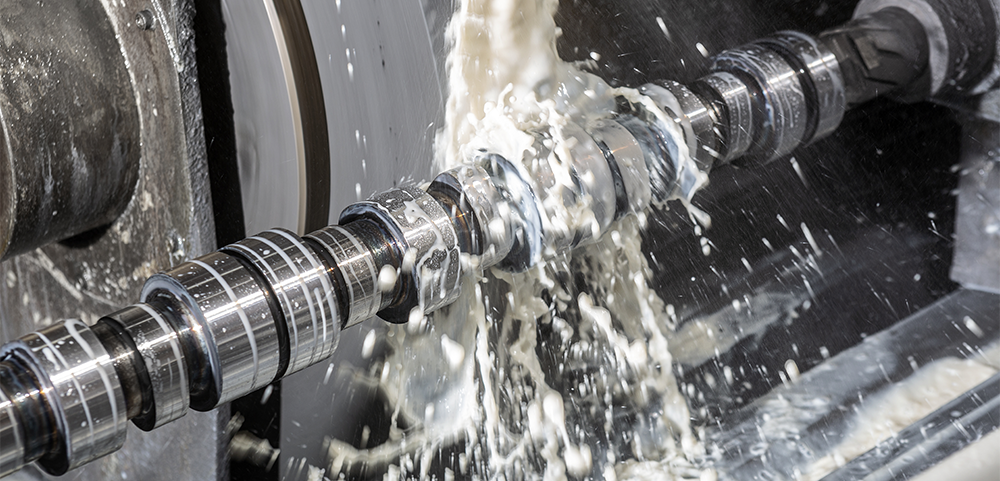
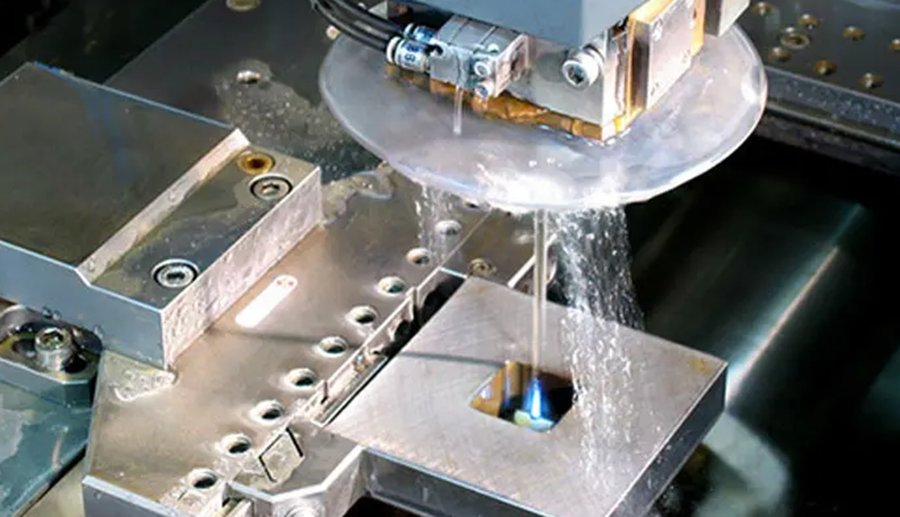
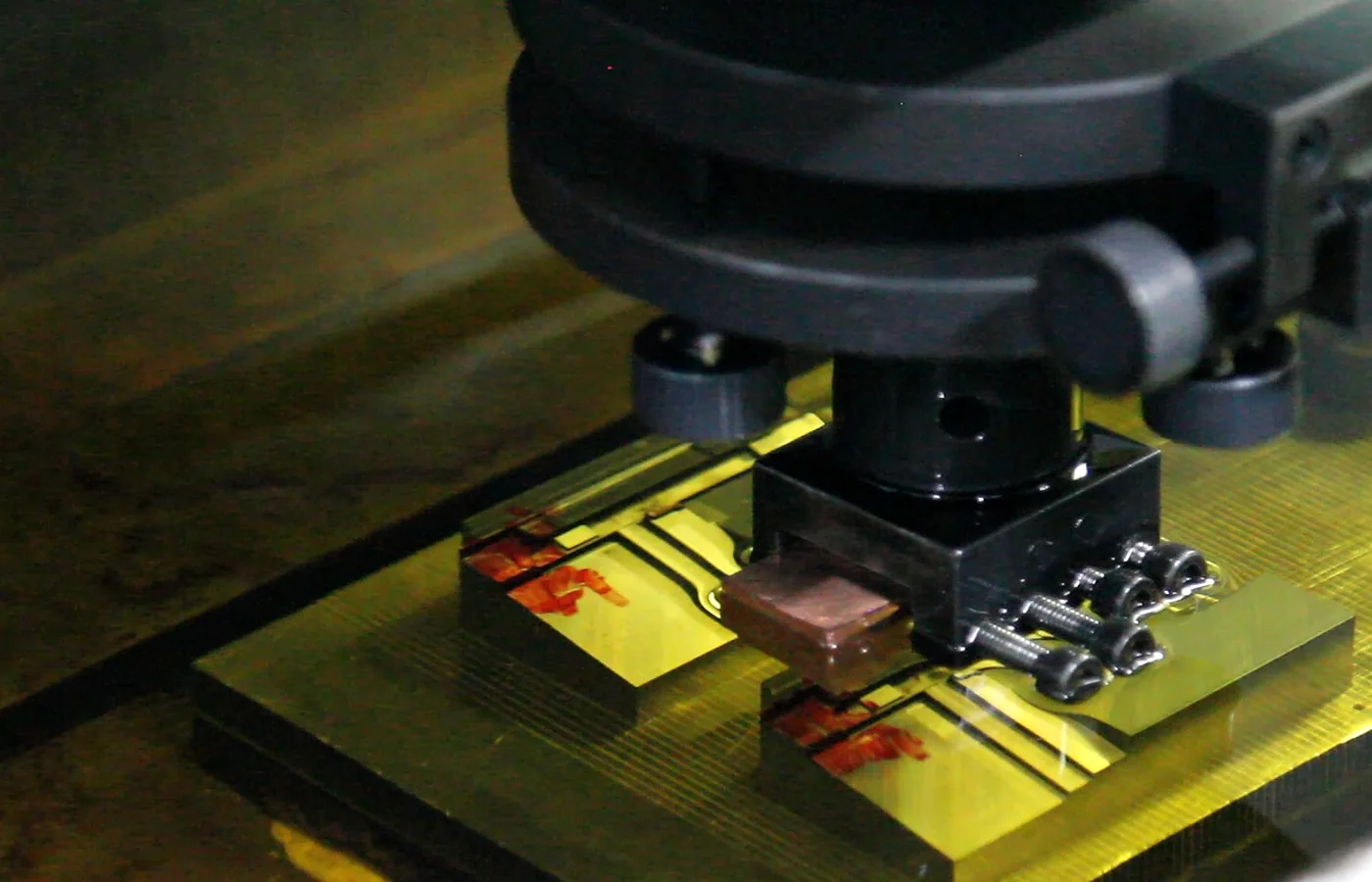
EDM precision machining processPrecision mold componentsPrecision grinding processWire EDM cutting process

Inspection

Dimensional checks and surface review can be documented as needed.

Process Control

Electrode preparation and machining parameters are reviewed for repeatability.

Learn More

Ready to quote your EDM project?

Request a Quote for Your Project