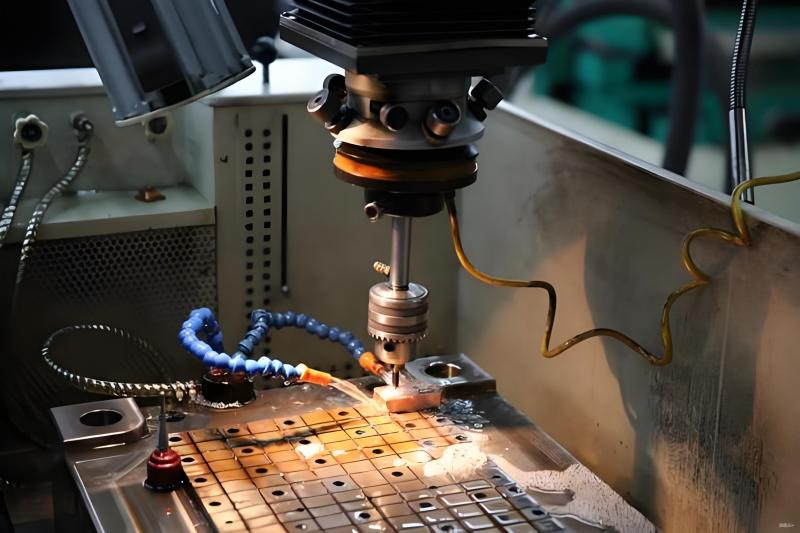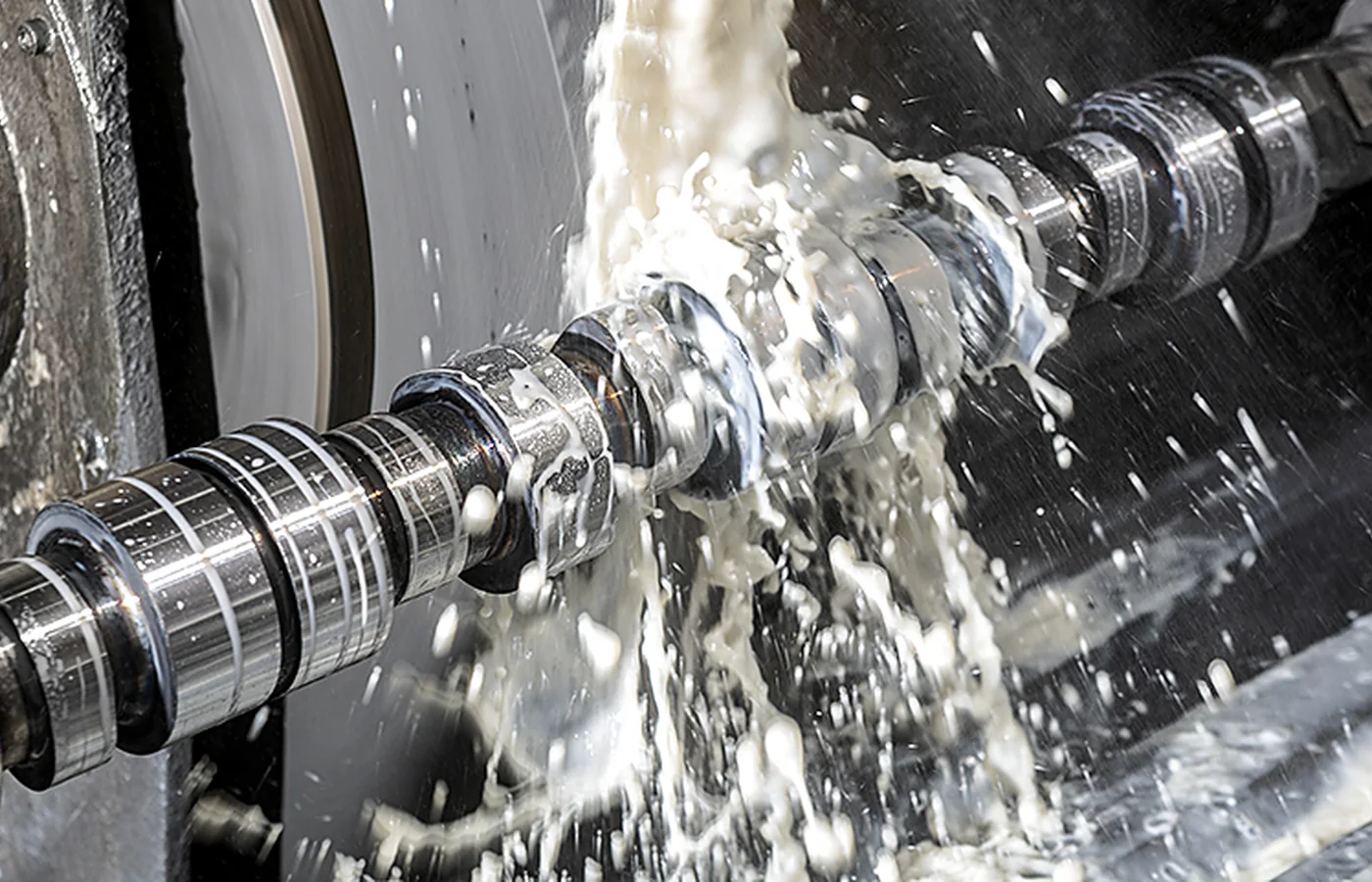
Fine finishing and flatness control for precision assemblies

Custom Precision Grinding Services

RIXIN provides precision grinding for final thickness, flatness, parallelism, roundness, and controlled surface finish. The process supports hardened mold components, guide parts, inserts, plates, and fit-critical assemblies.

Get Instant Quote
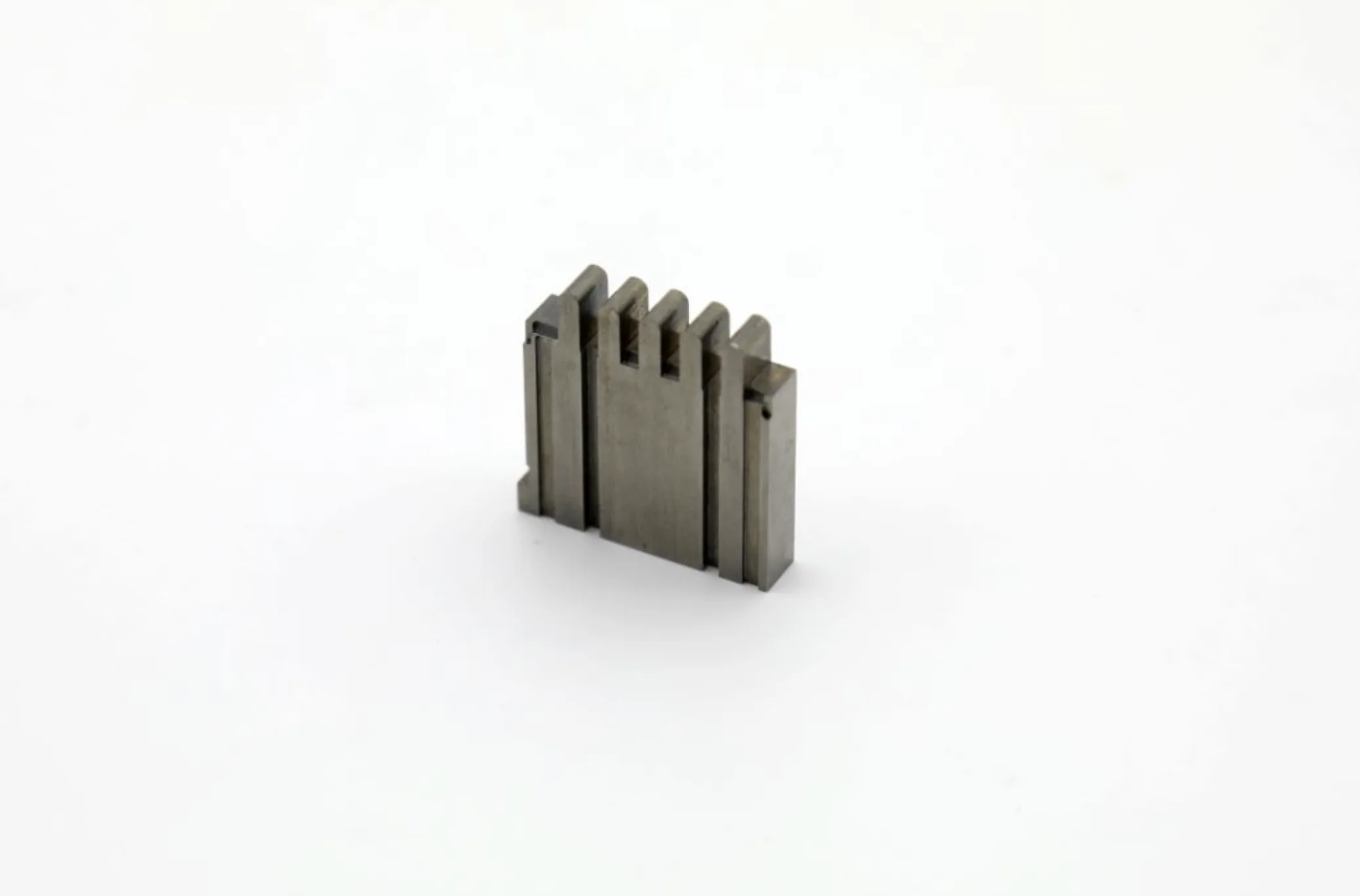
Precision ground mold component

Grinding support for guide parts, plates, core pins, sliders, and high-fit precision mold components

FlatnessParallelismFinishFitInspection
Engineering material selection guide

Precision Grinding Materials for Flatness, Finish and Fit

Precision grinding is used to control final thickness, flatness, parallelism, roundness, and surface finish. Material hardness, thermal response, wheel selection, stock allowance, and heat treatment determine the process plan.

Material scopeHardened steels, stainless steels, carbide, and selected nonferrous alloys
Best suited forDatum faces, wear surfaces, guide components, inserts, plates, and high-fit assemblies
For a faster quoteSpecify stock allowance, heat-treatment condition, datum scheme, flatness, parallelism, and target surface roughness.
Tooling Metals for precision grinding

Hardened Tool Steel

Overview

Hardened tool steel is the primary material family for precision-ground mold and die components. Grinding after heat treatment establishes final datums, thickness, flatness, and assembly fit.

Key Advantages

  • Excellent wear life
  • Stable final geometry after heat treatment
  • Supports fine finishes on tooling datums and sliding surfaces
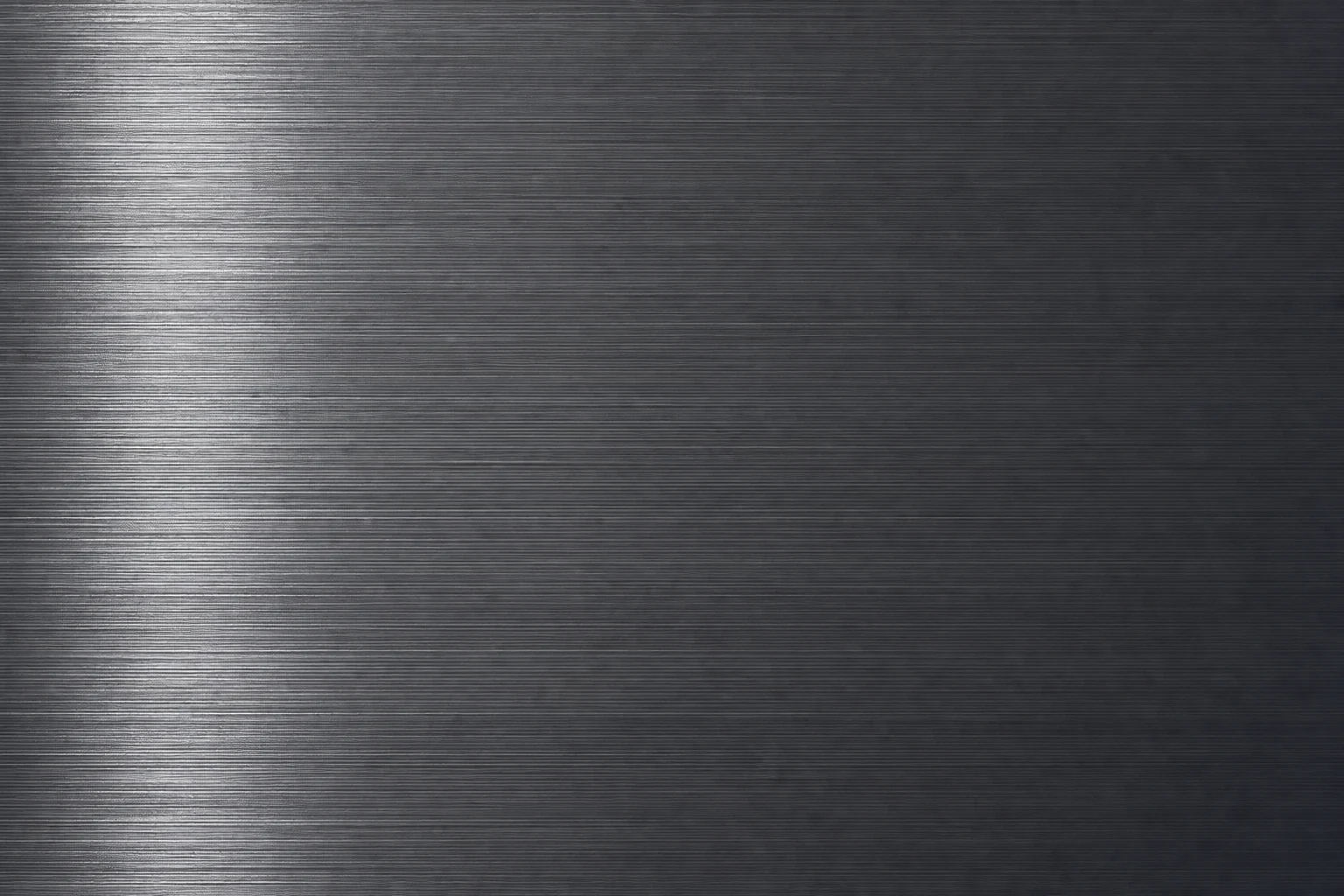
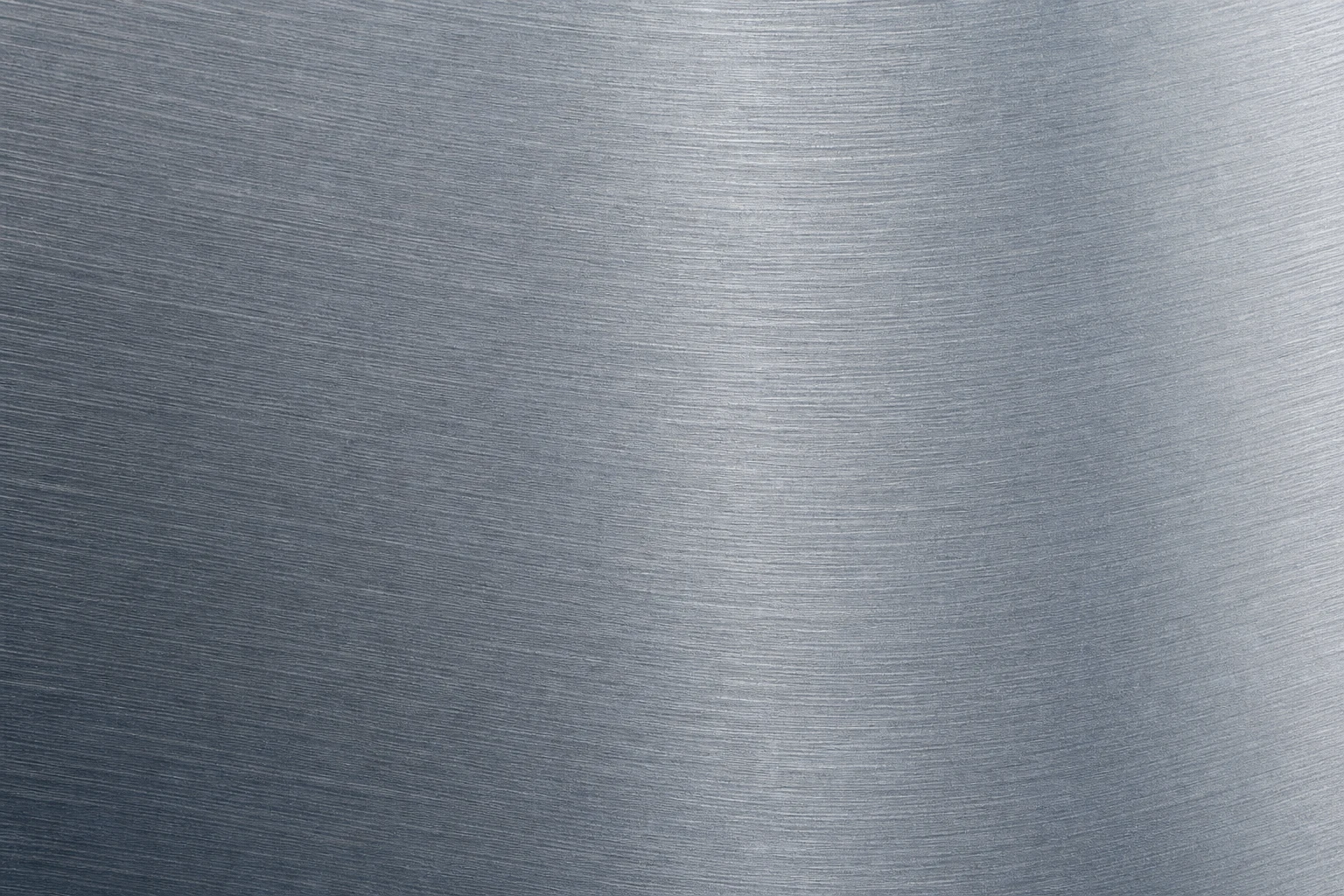
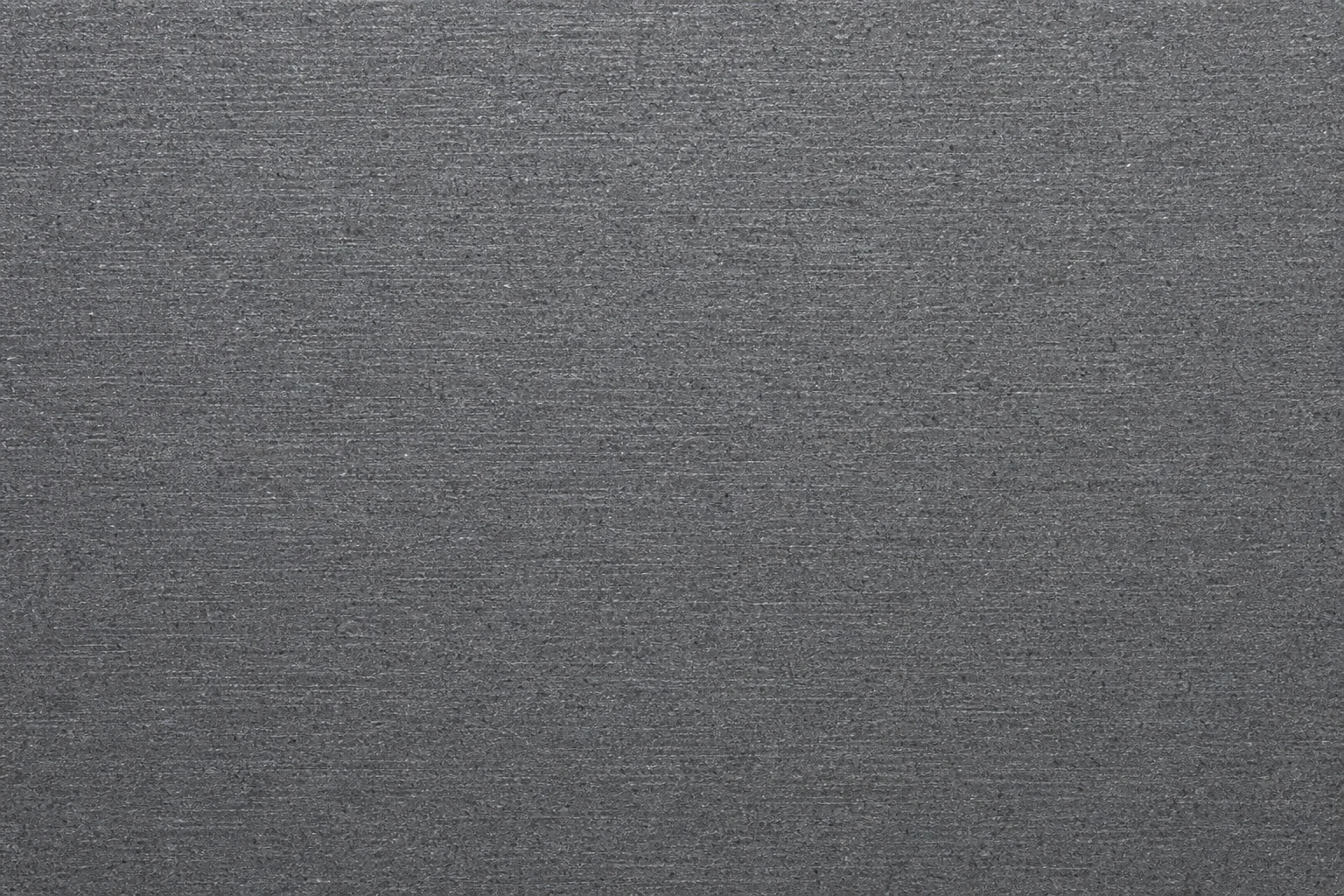
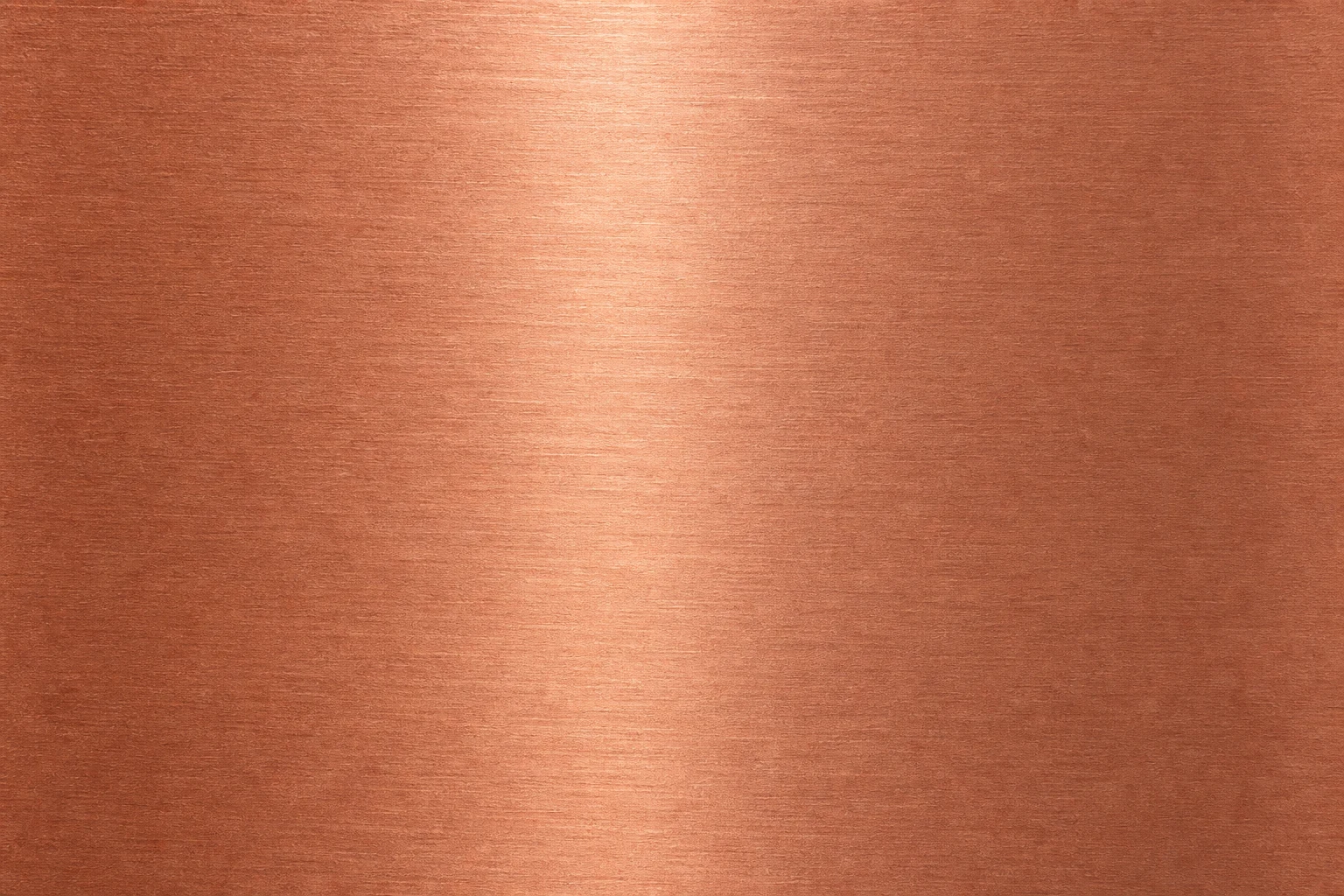
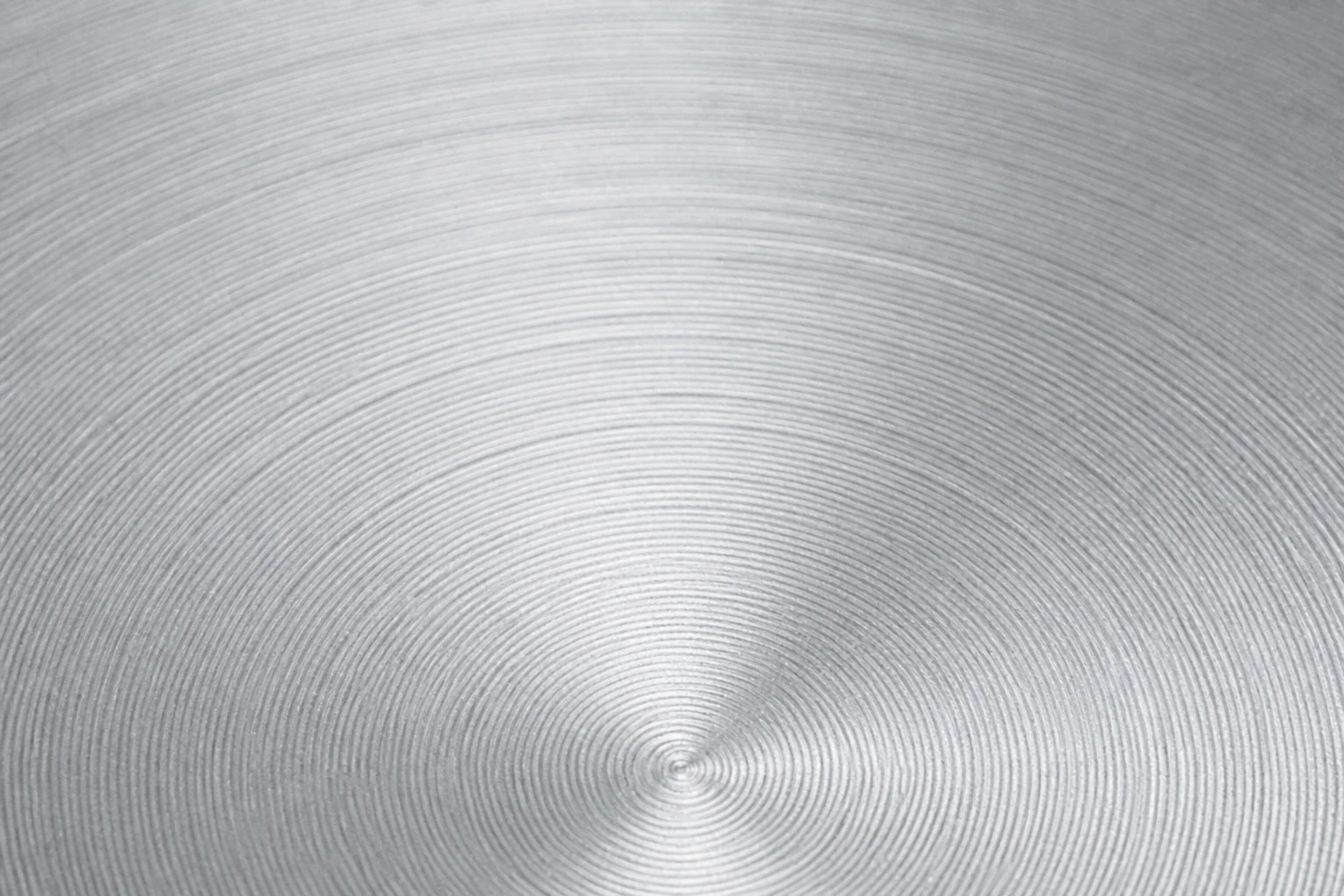
Hardened Tool Steel macro surface texture for precision grinding
Macro surface texture of Hardened Tool Steel, showing its characteristic color and machining finish.
Finished precision ground mold componentGround tooling insert

Typical Applications

  • Mold plates
  • Core pins
  • Sliders
  • Punches and dies
  • Wear inserts

Recommended Industries

  • Injection molding
  • Stamping
  • Die casting
  • Automotive
  • Industrial tooling

Available Grades

D2 / SKD11H13 / SKD61A2S7M2hardened P20

Surface Finishes

Surface groundcylindrical groundfine groundlappedpolished

Machinability

Excellent95/100

Excellent grinding suitability with the correct abrasive, coolant, and dressing strategy

Hardness

48-64 HRC Typical range; confirm by grade and condition

Corrosion Resistance

  • Low to moderate unless stainless grade, nitriding, coating, or protective treatment is used

Precision Capability

  • Best suited to micron-level finishing of stable geometry
  • actual capability depends on size, section, hardness, and inspection method
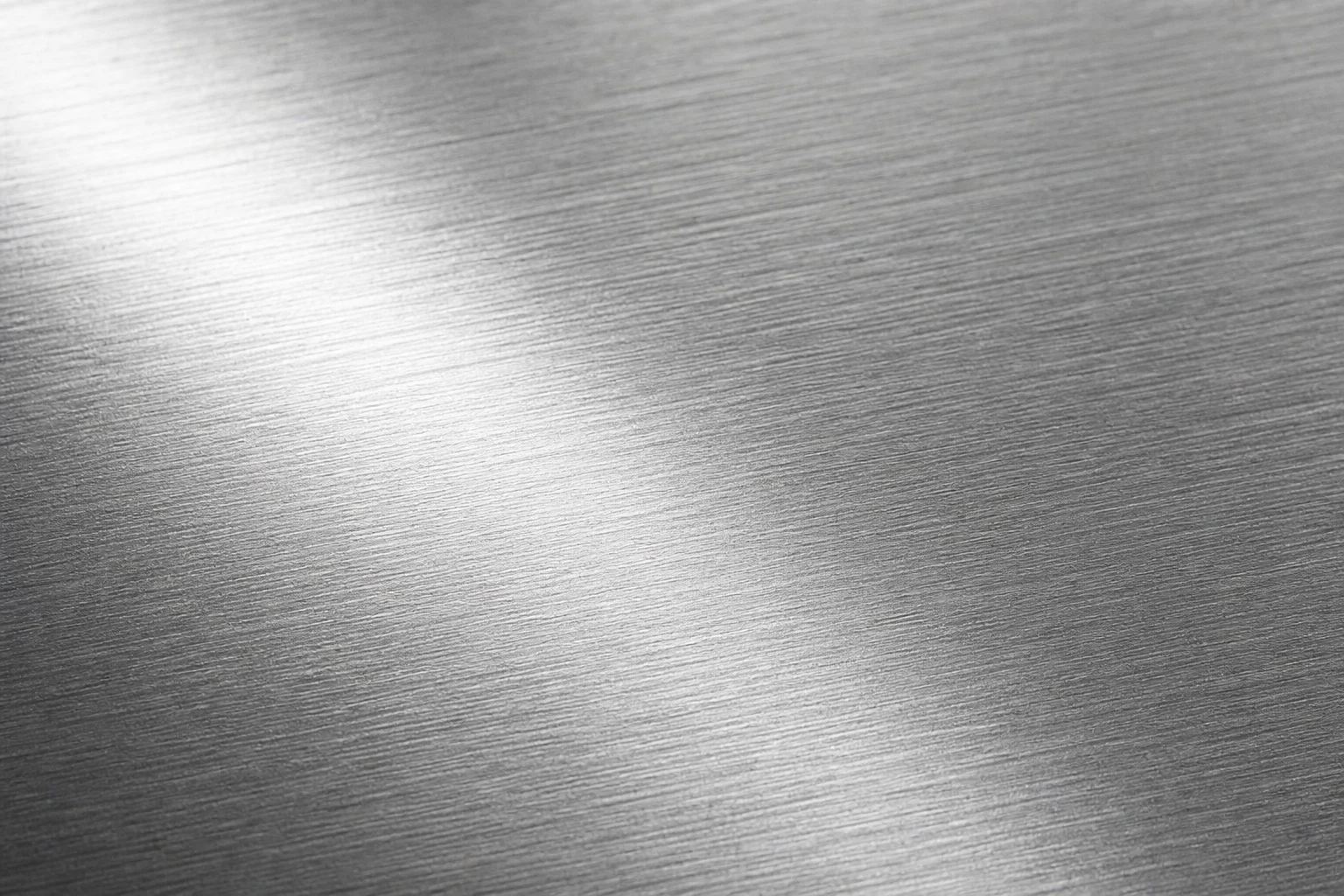
Material properties and achievable tolerances vary by grade, condition, geometry, part size, and inspection method. Final recommendations are confirmed during engineering review.

Tolerances for Precision Grinding

Tolerance planning considers material hardness, heat-treatment condition, grinding allowance, part support, thermal control, surface finish, and inspection method.

General ControlDrawing-based precision grinding planning
FlatnessMicron-level requirements are evaluated from part size, section stability, datum strategy, hardness, and inspection capability.
Typical ApplicationsPlates, core pins, sliders, guide components, high-fit mold parts

Precision Grinding Quality Control

Flatness, parallelism, thickness, surface roughness, and assembly-critical dimensions are verified against the approved drawing and inspection plan.

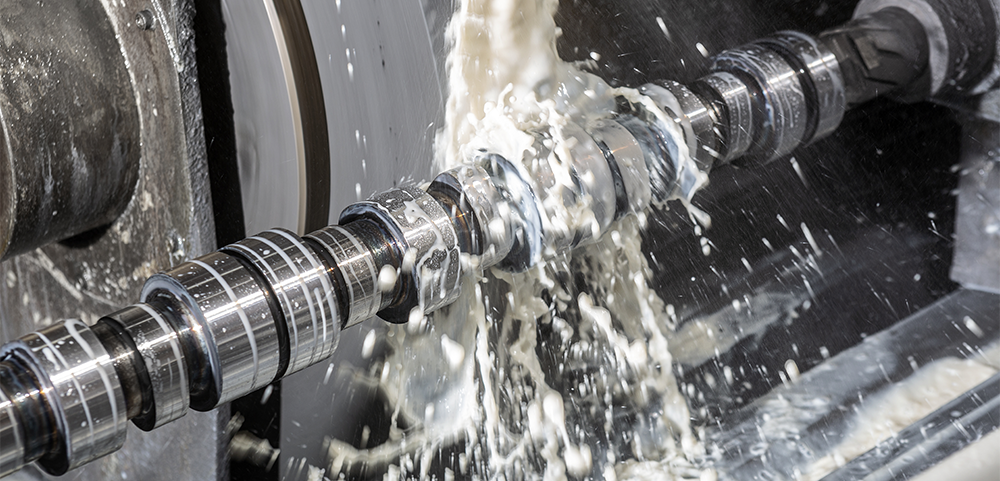
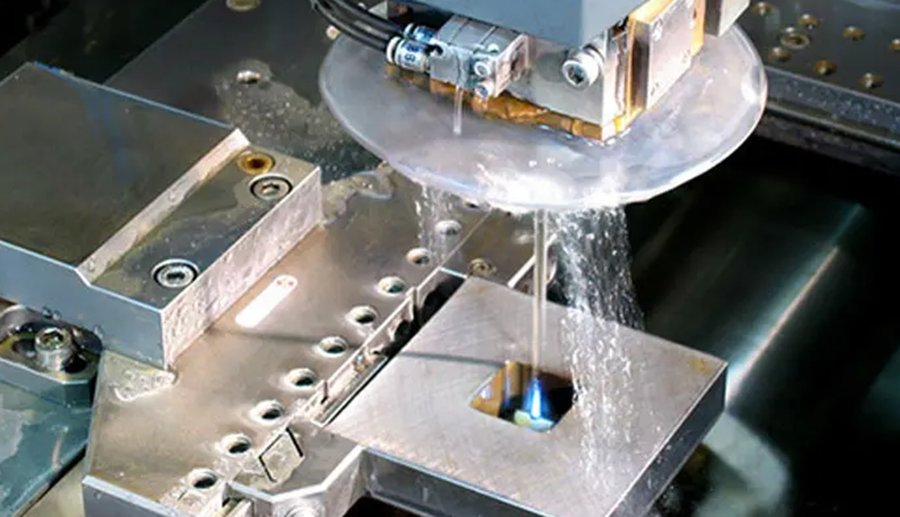
Precision grinding processPrecision mold componentsWire EDM cutting processEDM precision machining process

Inspection

Flatness, parallelism, and critical dimensions can be documented as needed.

Process Control

Grinding parameters and final handling are reviewed for stable assembly fit.

Learn More

Ready to quote your precision grinding project?

Request a Quote for Your Project